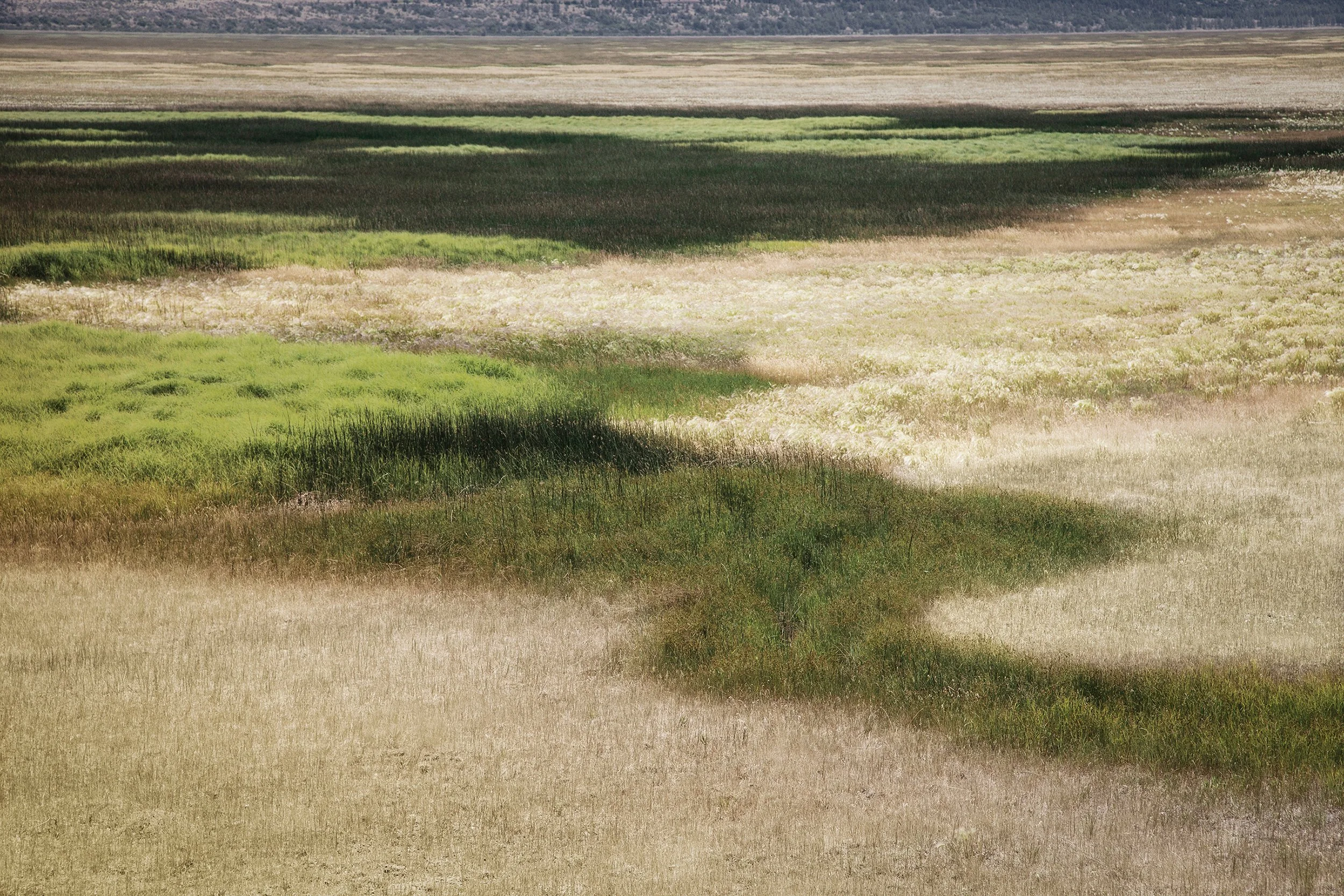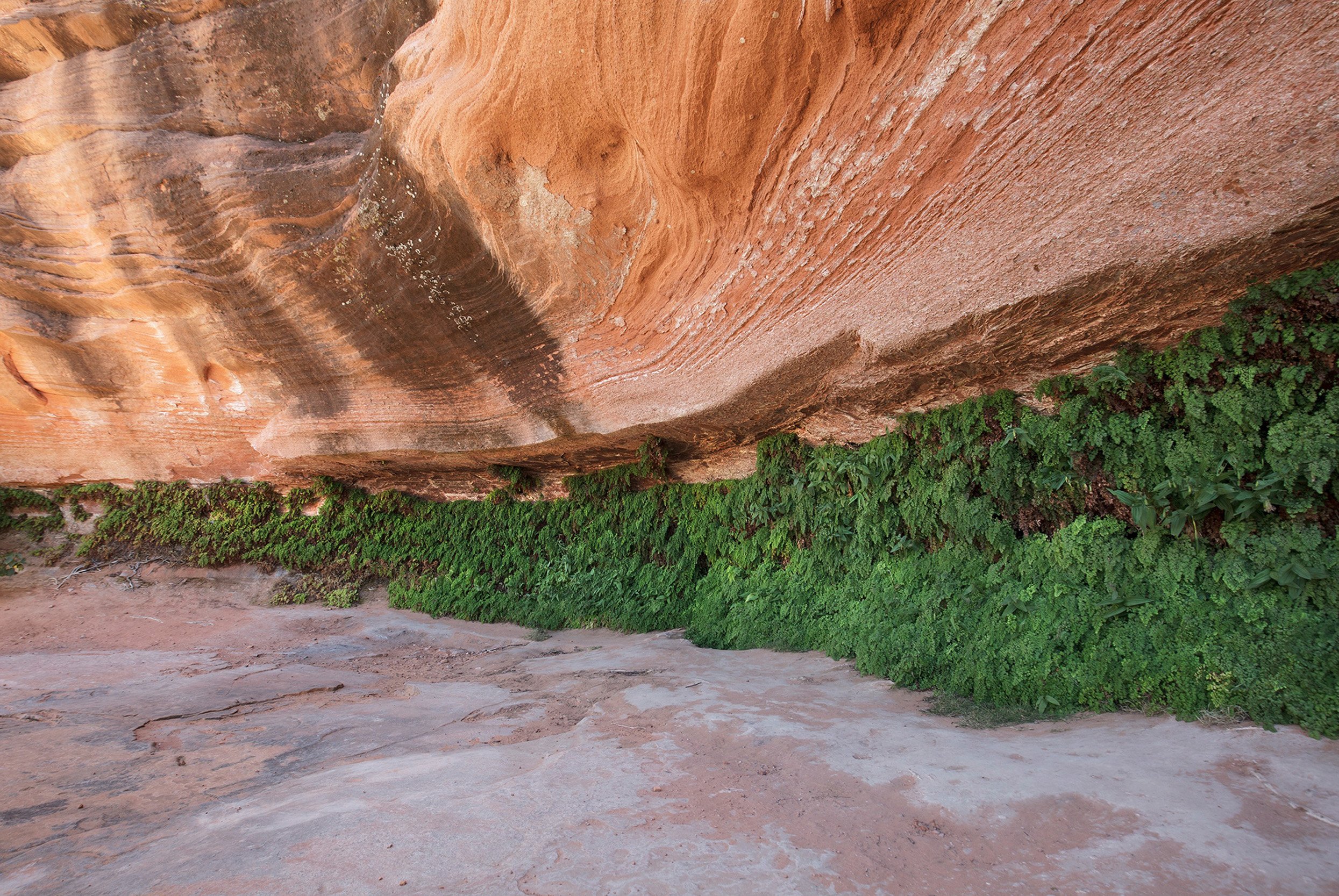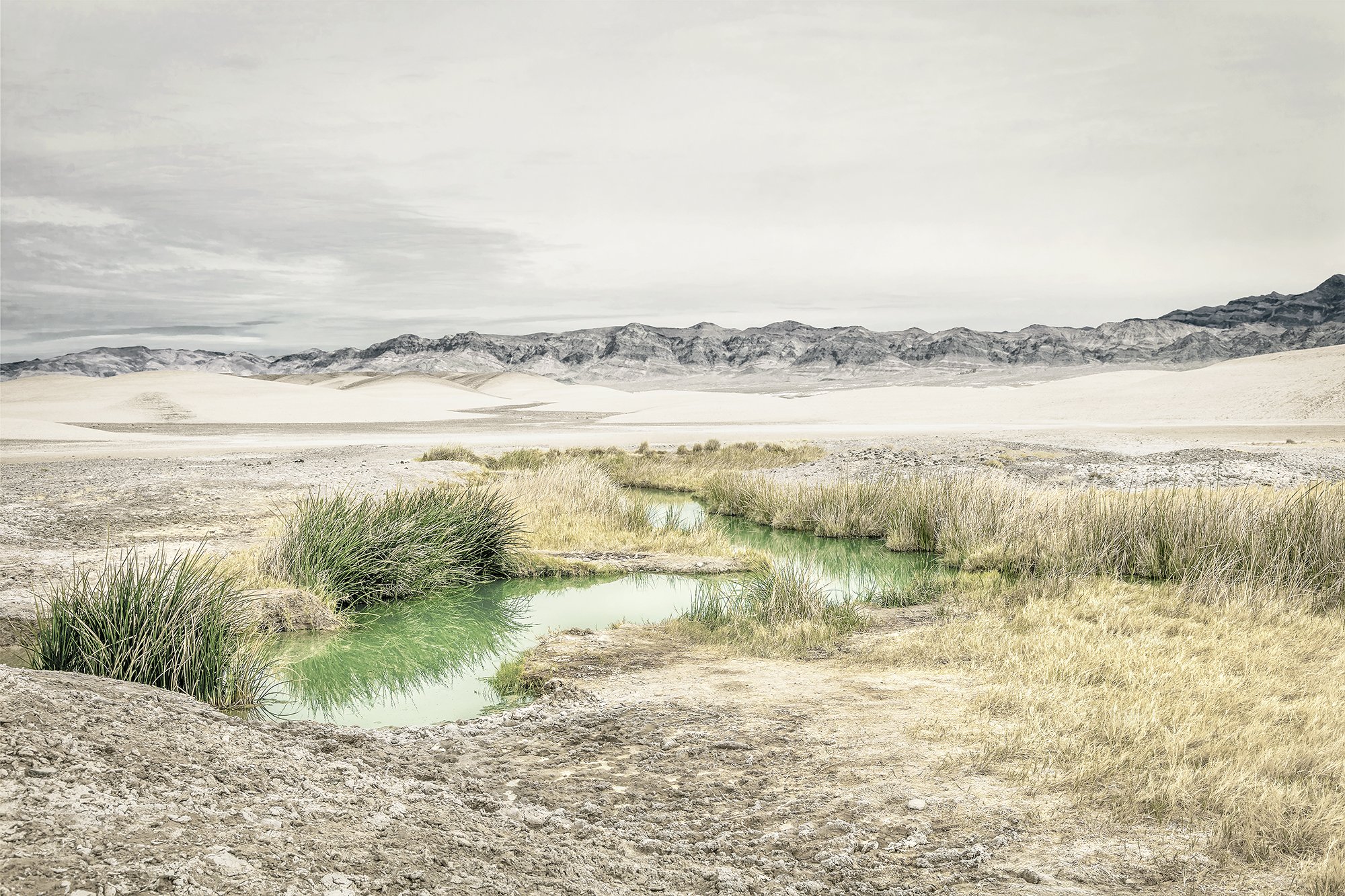
Water-seeking borehole drilled into last Ice Age water near Pioneer stop Teccopa on Santa Fe trail.
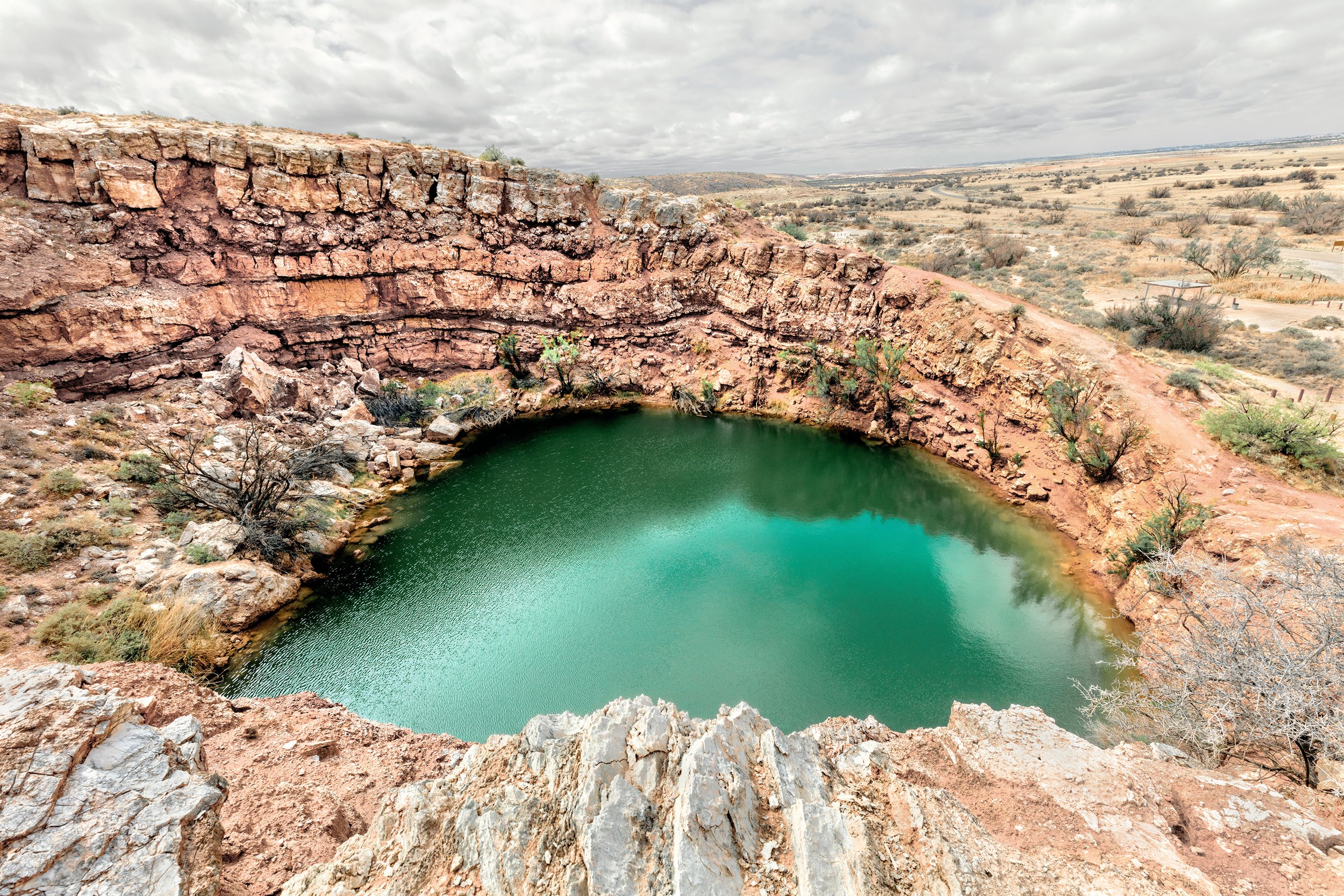
Ancient Centote, (sink-hole) in Bottomless Lakes State Park a popular place to scuba dive in the desert.
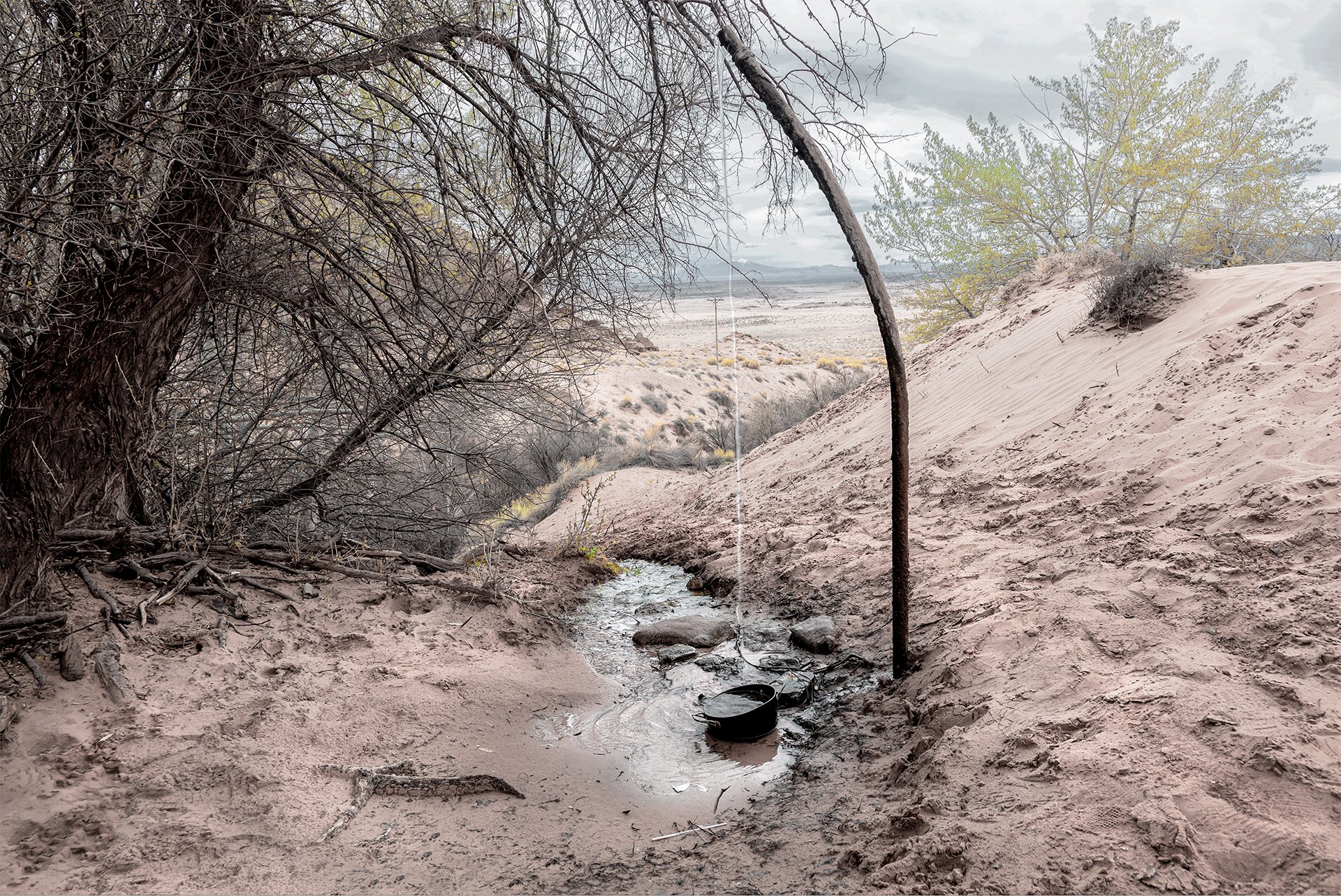
Remains of pioneer trading post on the Mormon Honeymoon trail and sometime drinking water for local ranches.
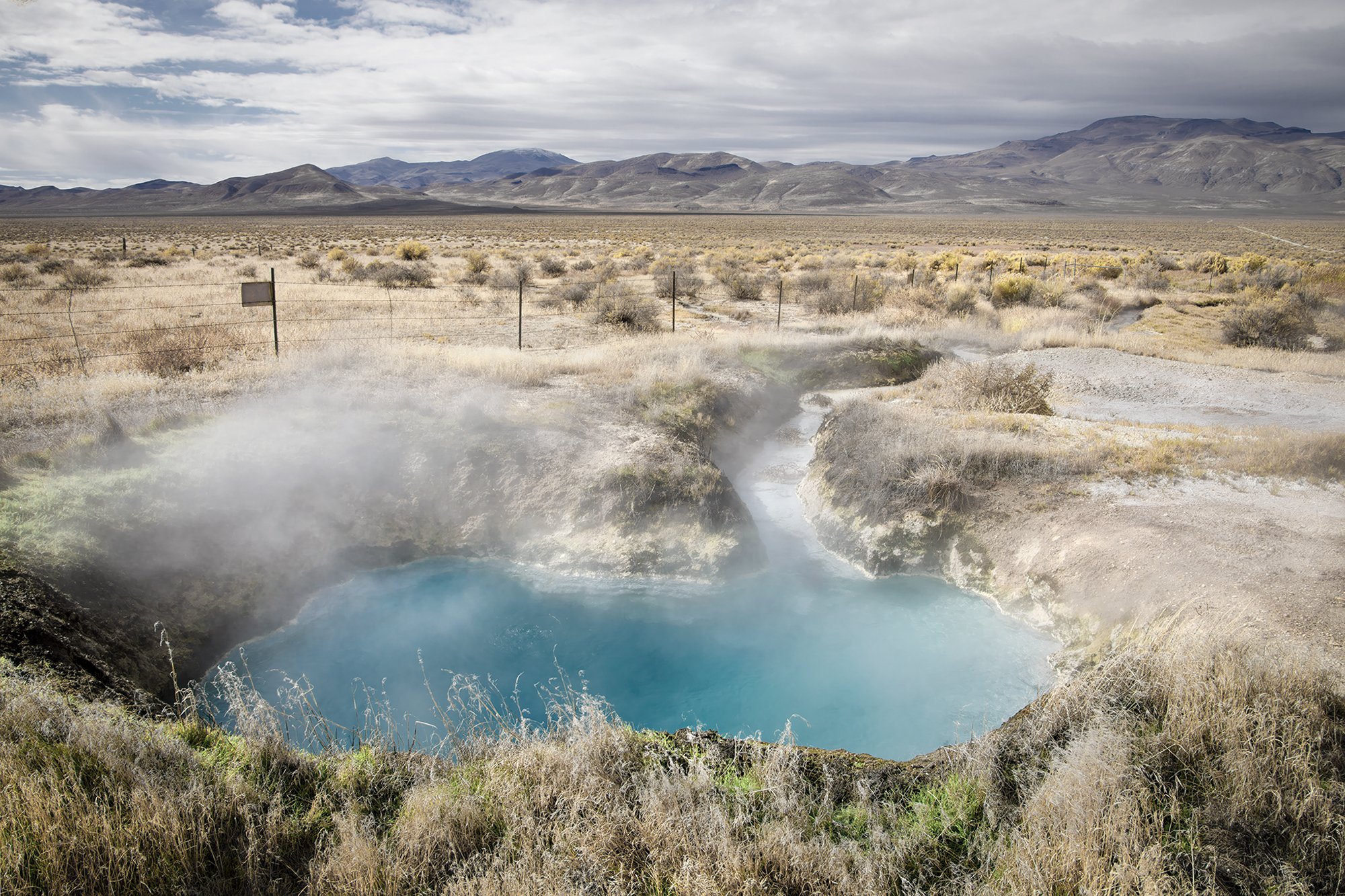
Geo-thermal water so hot it needs to be fenced to protect people and animals from boiling to death.

Used by indigenous Newe and Numic peoples for over 6,000 years, modern scientists search hyper-saline, extremely hot waters for new medicinal compounds.
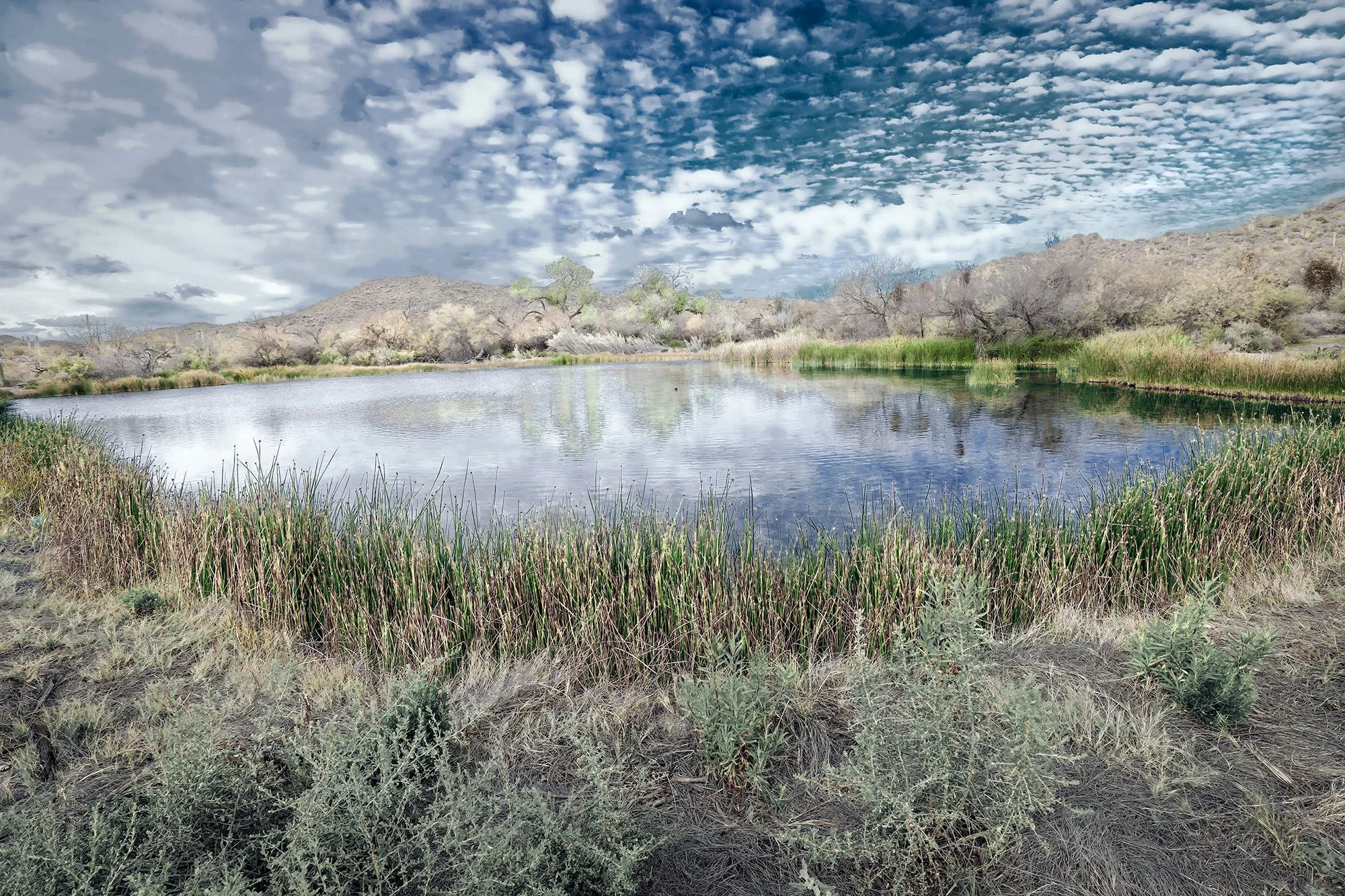
A spring-fed oasis at the edge of the U.S.–Mexico border. A ancient sacred site sheltering endemic species, now threatened by groundwater pumping and border wall construction.
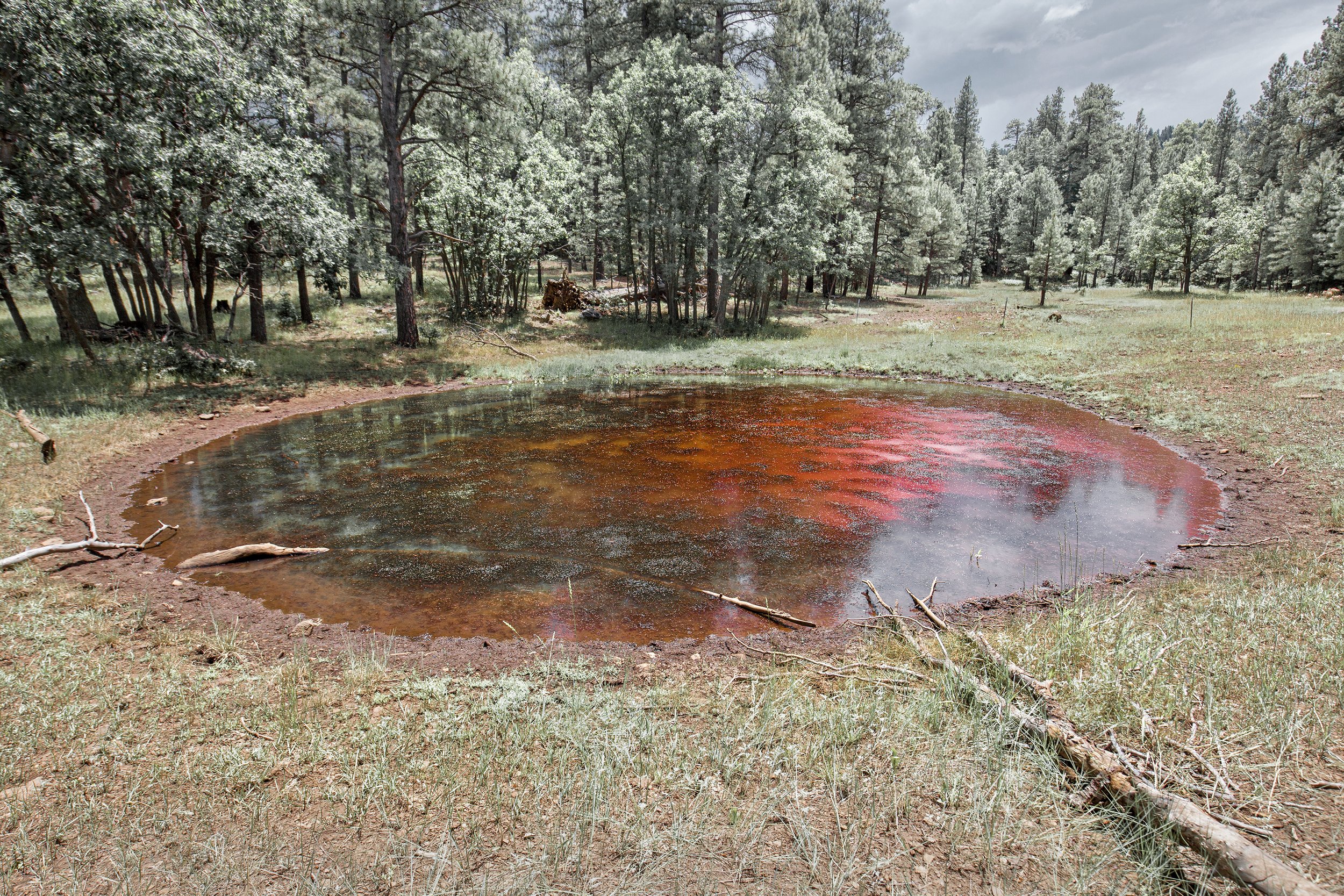
Accidental fly-over forest fire-retardant drop into a spring. The chemicals take several years to resolve.
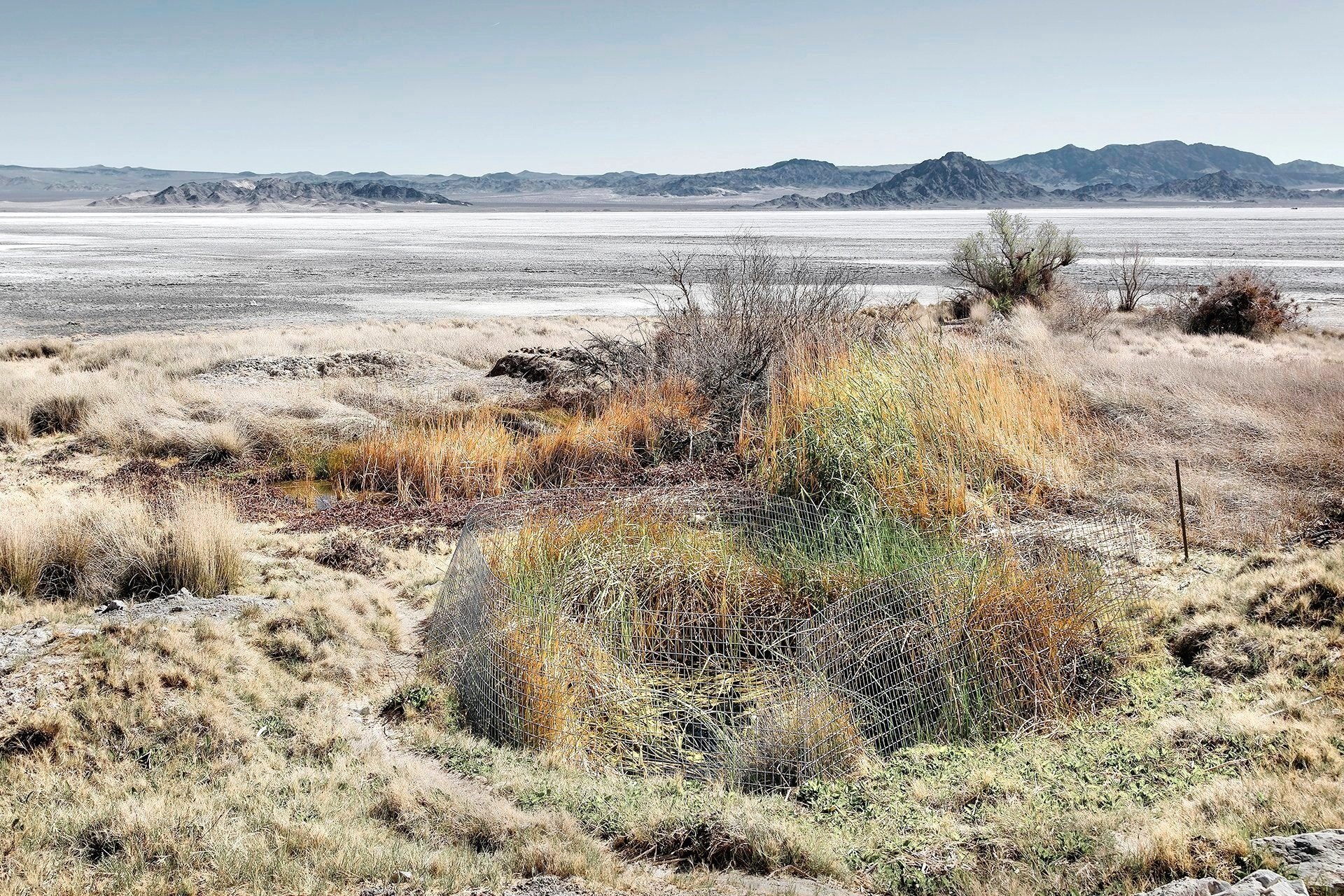
Fence protected spring home of the endangered Mojave Tui fish on important indigenous and pioneer water stop Old Spanish Trail from Santa Fe, NM to Los Angeles, CA.

Rescued cienega to protect endangered New Mexico Pecos Sunflower.
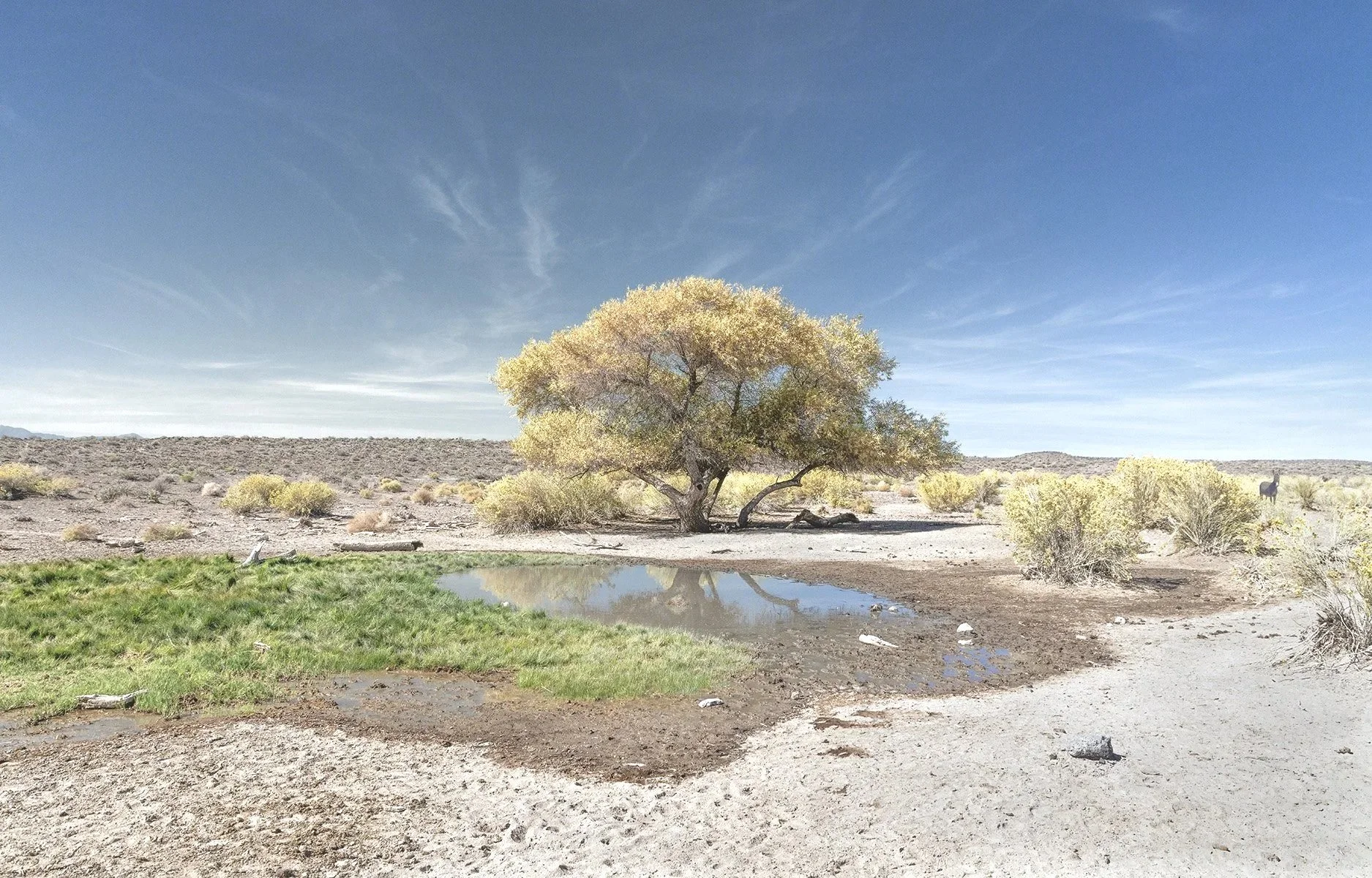
Protected wild donkeys foul seeps in Nevada’s Northern Mojave.
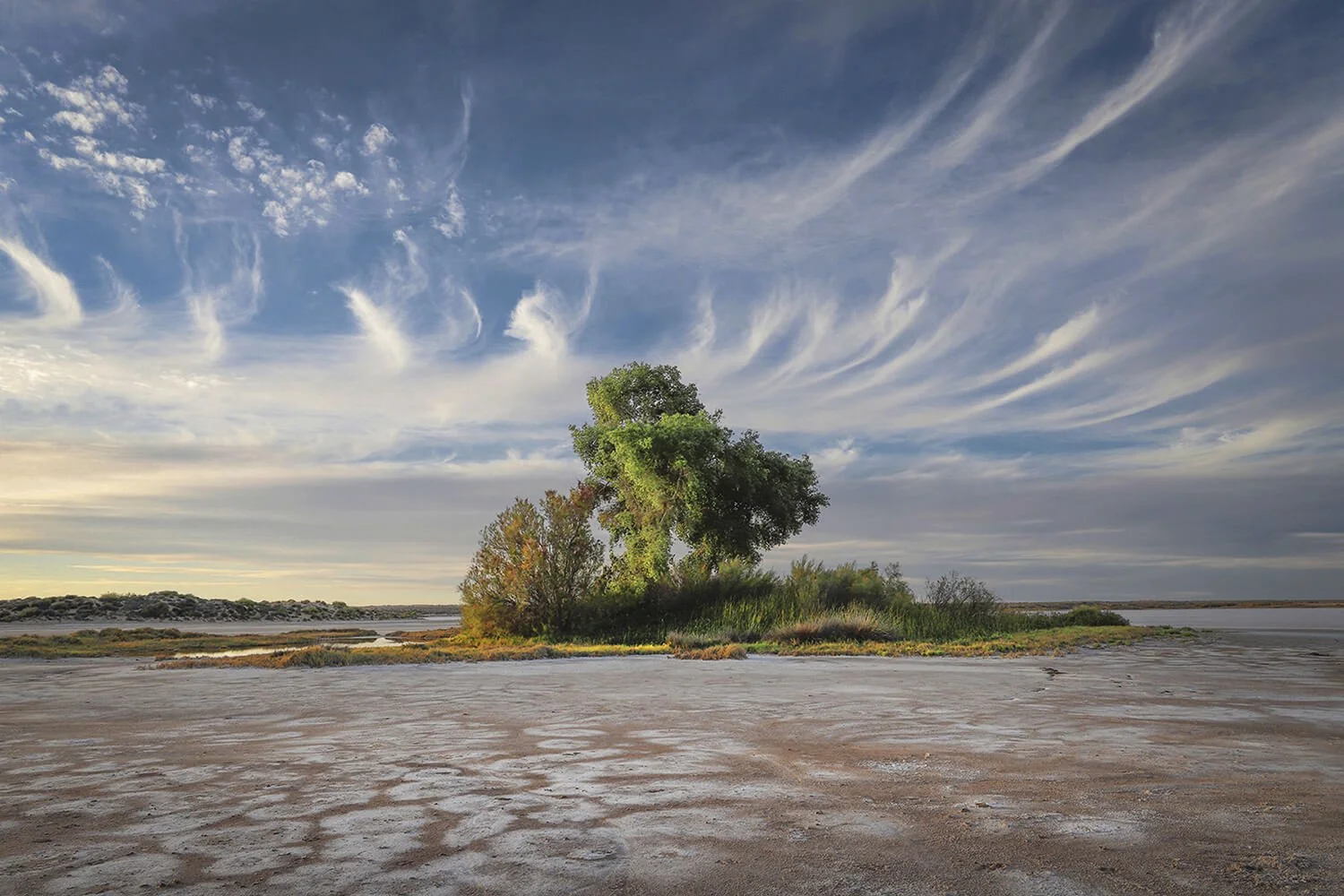
Fresh water spring creates an island at the edge of the salt water ocean in Northern Mexico.

In the Amargosa Basin, this lush spring-fed oasis is a landing spot for migrating birds in an extremely arid part of the Mojave Desert.
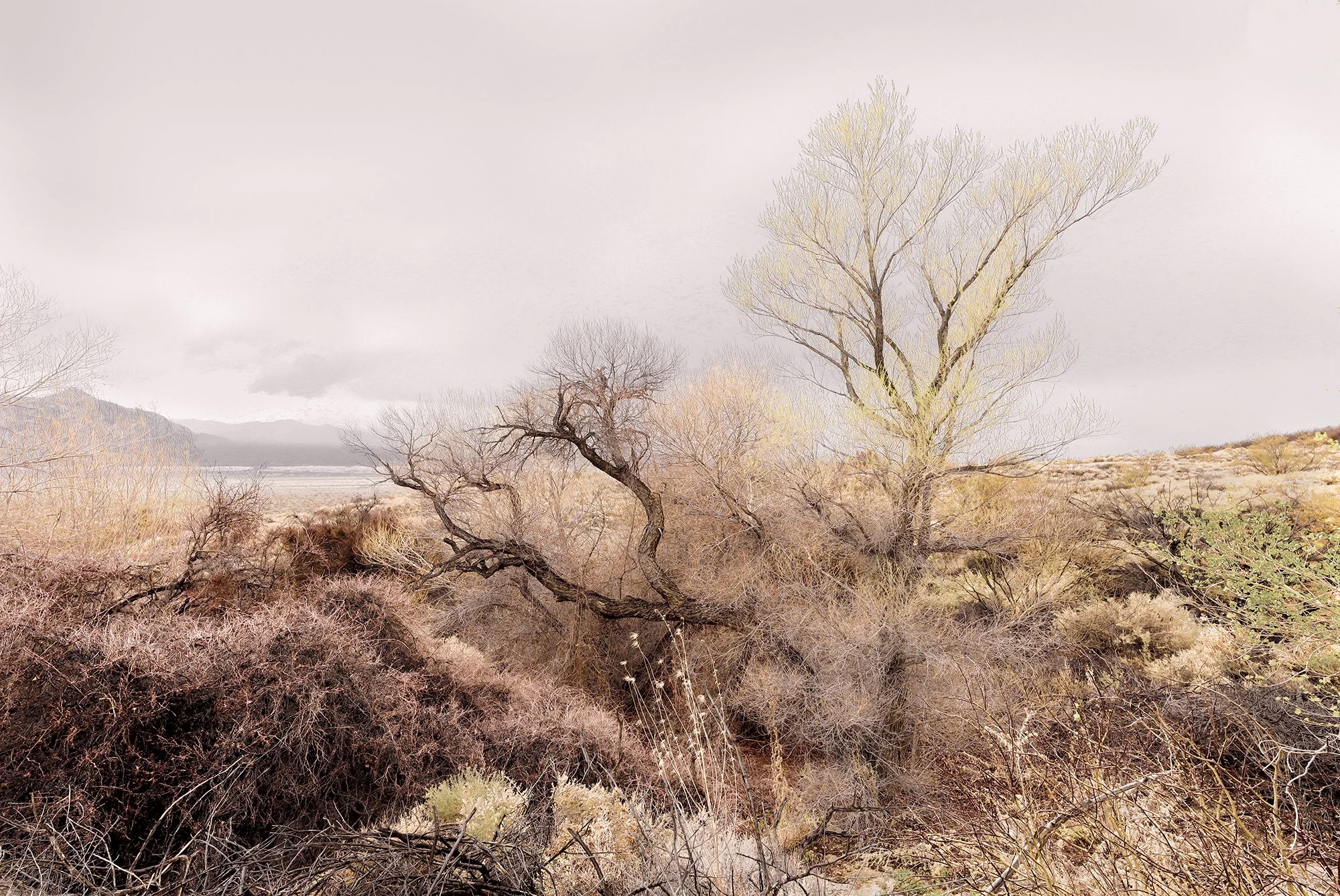
With a long history of human activity these springs remain culturally important to Southern Paiute,( Nuwivi), Western Shoshone and Chemehuevi people. They are now a part of the Nevada Test and Training Range who use the surrounding area for bombing tests.
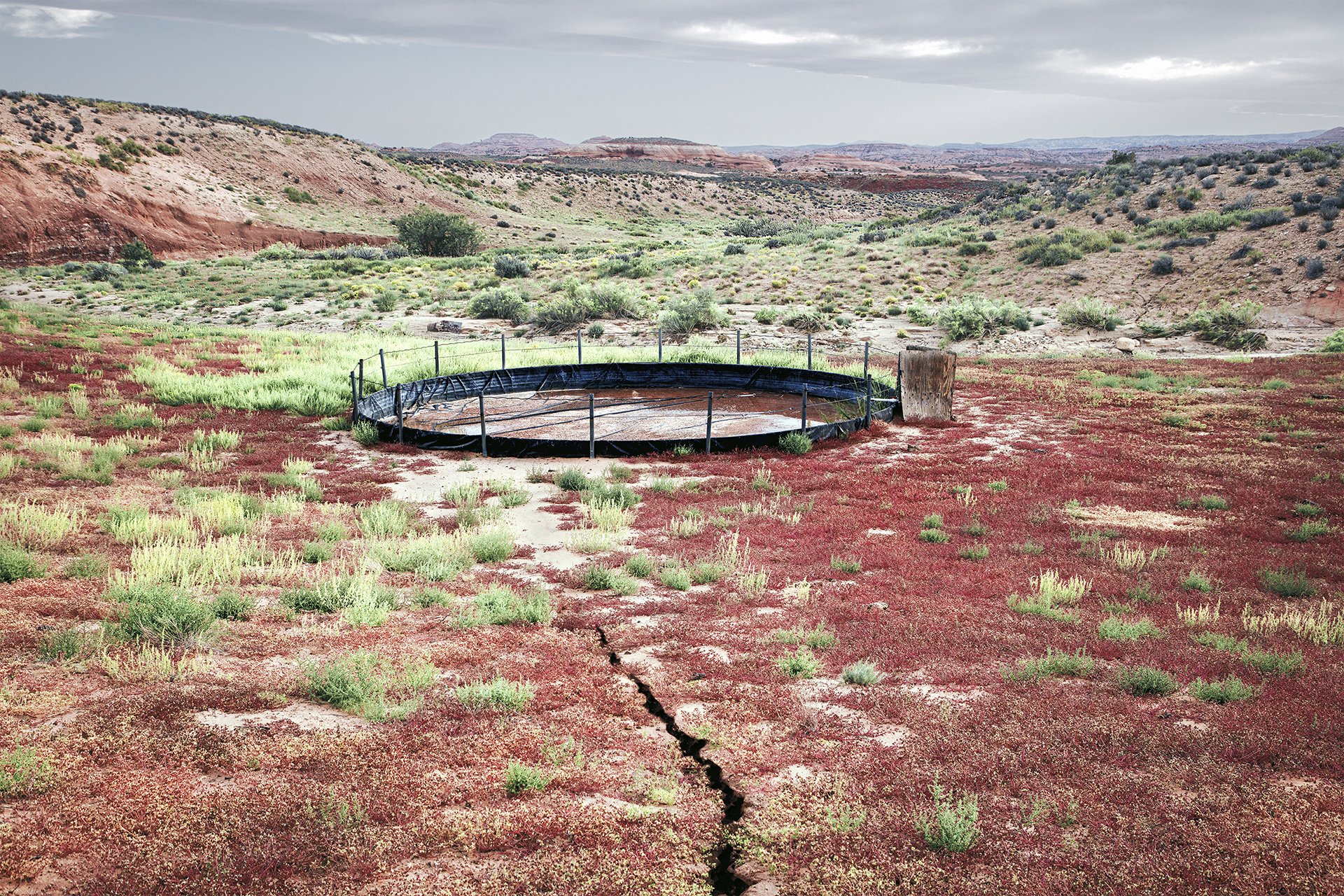
Used as a livestock, (cattle) watering location, the spring is diverted and later abandoned when the cattle are moved.

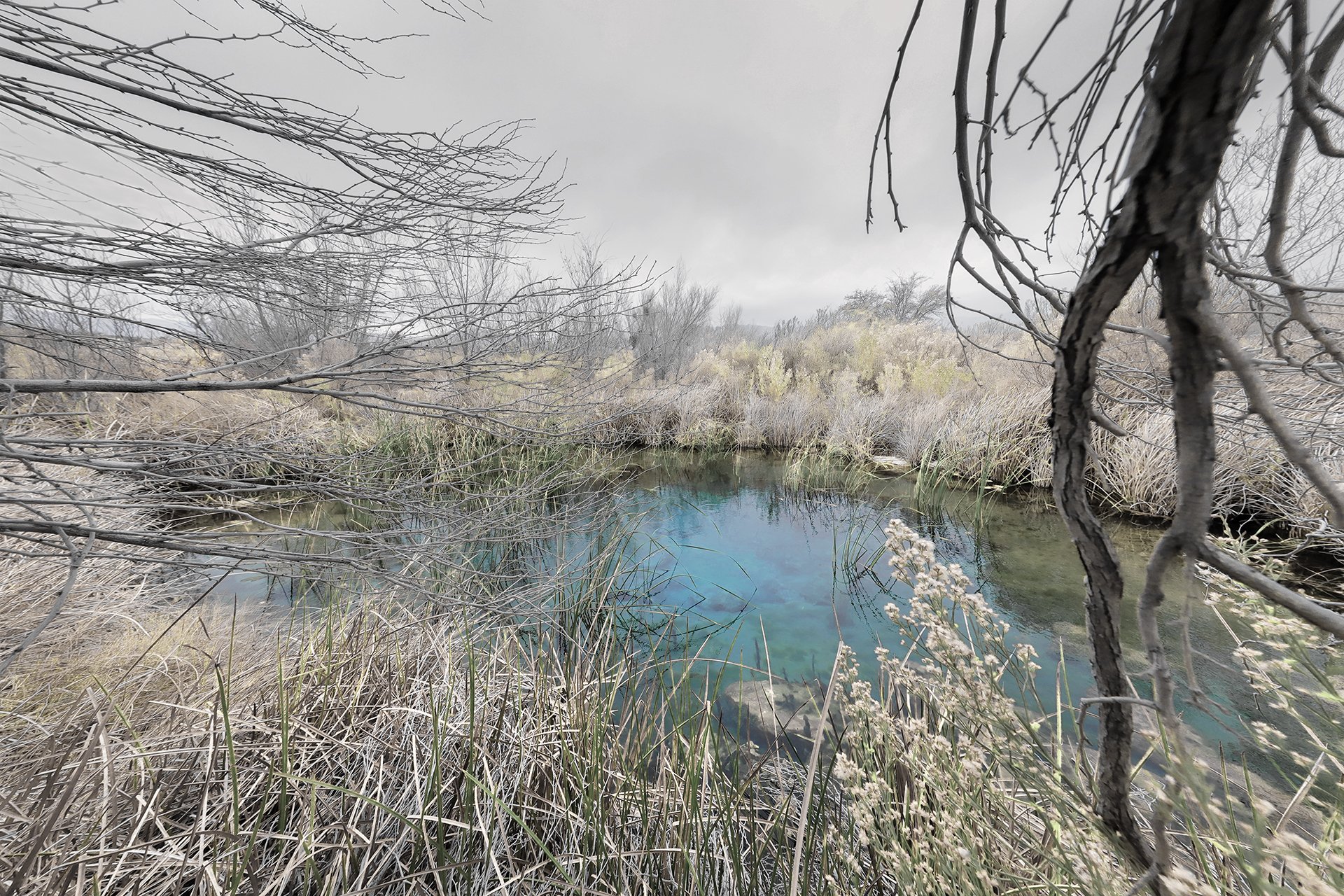
Restored spring part of the largest remaining intact oasis in the Mojave now threatened by proposed Lithium mine on Ash Meadows National Wildlife Refuge border.
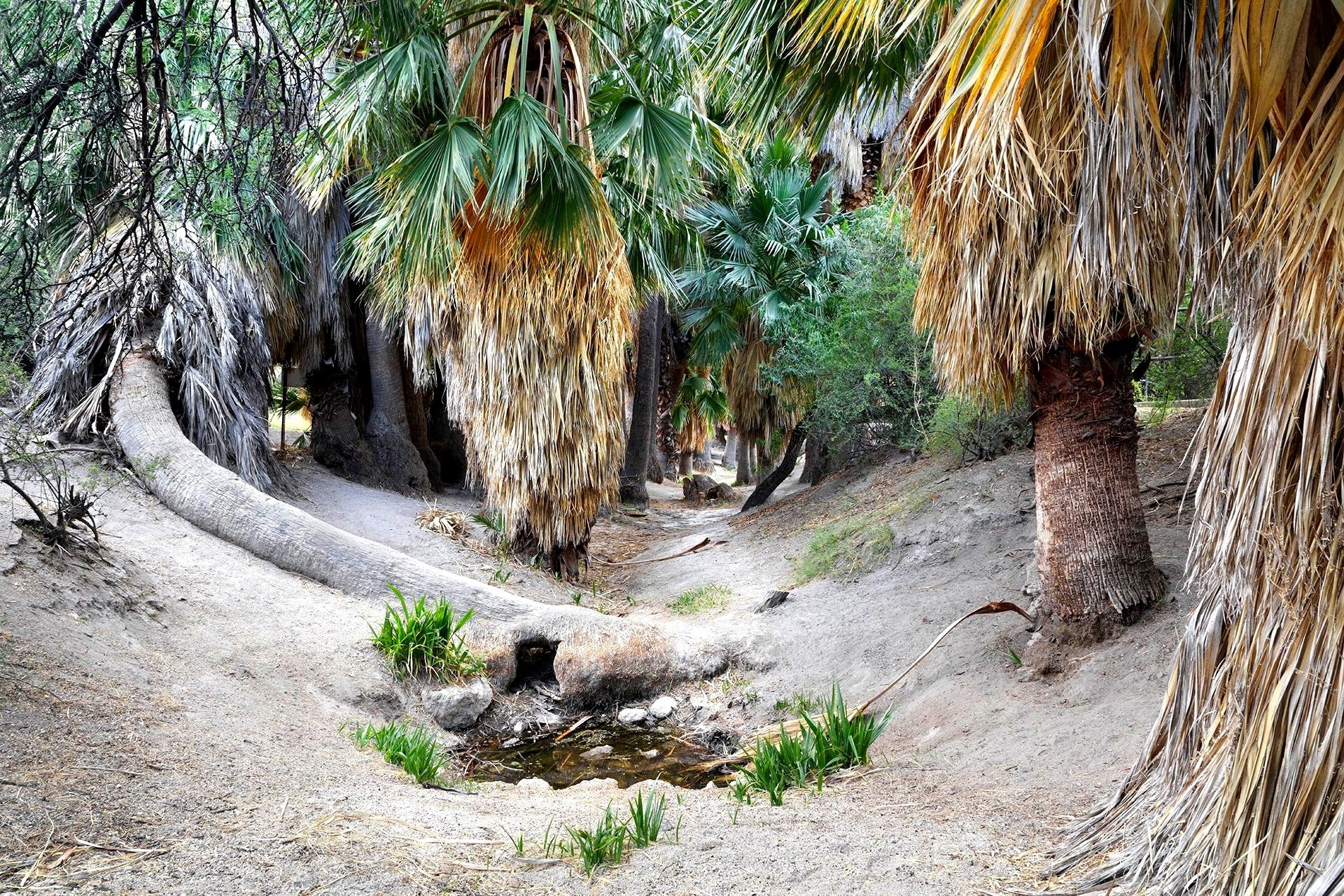
Original pool of once thriving springs -after many years of - dynamiting to increase the water flow which resulted in decreasing it and severe drought mean that the site is now supported by municipal water..
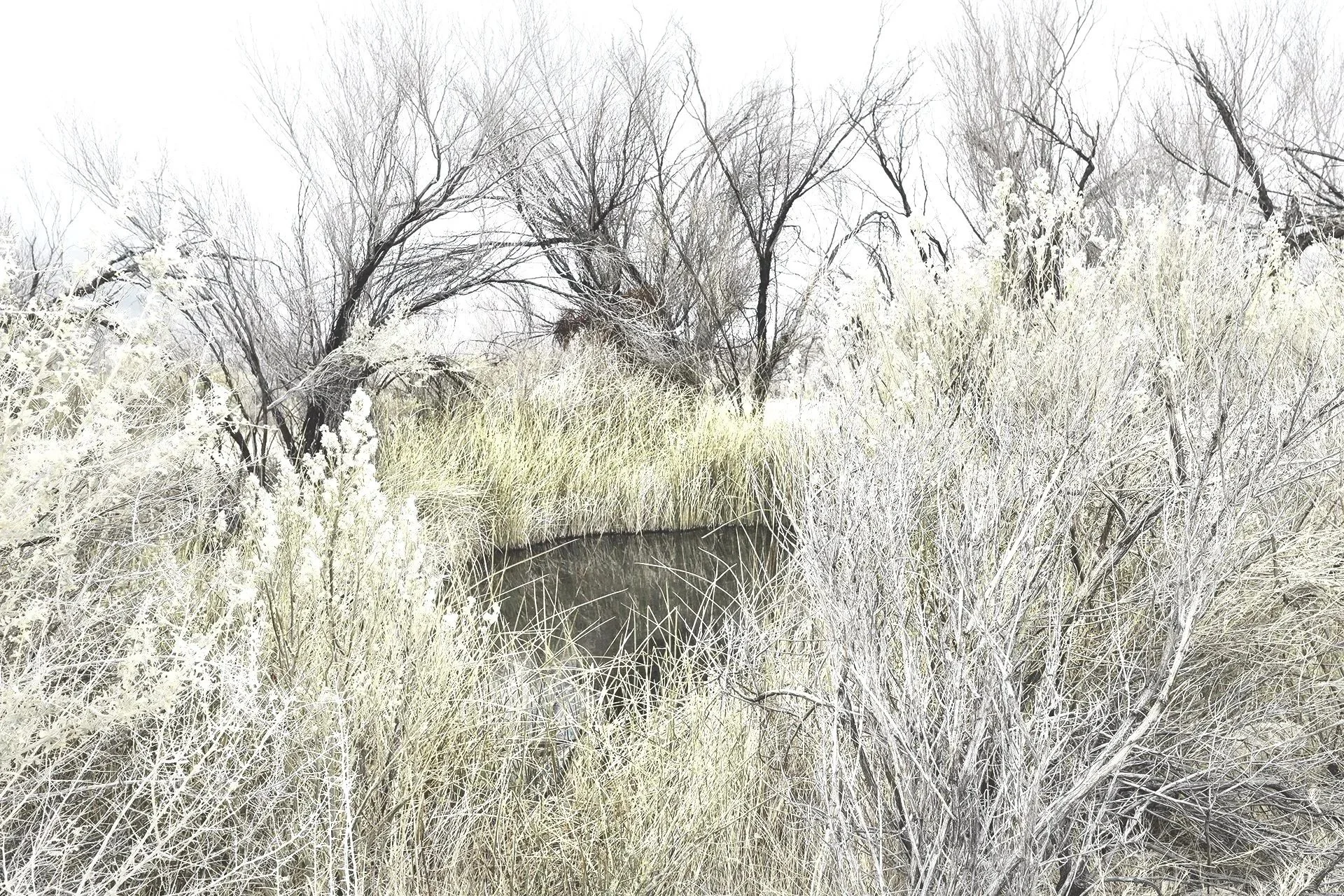
Restored spring, saved from becoming a 20,000 unit residential development on a rainy day/
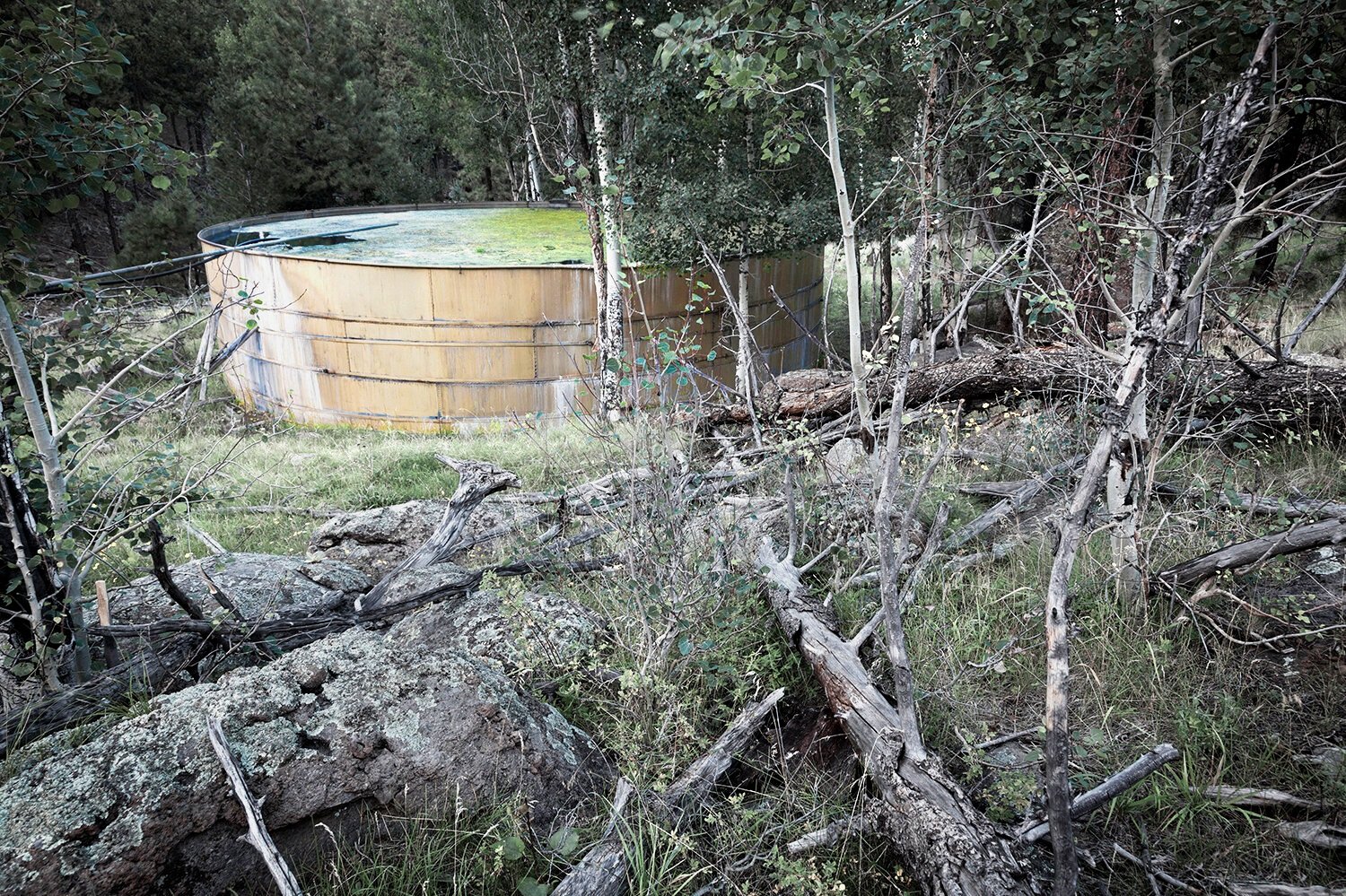
Captured, piped spring water storage tank for livestock watering and fire suppression.

Artesian spring-fed field in Northern Mojave Desert is threatened by nearby gold mining operation which uses large quantities of water.

Located in Death Valley this spring is the terminus of the Amargosa underground river.
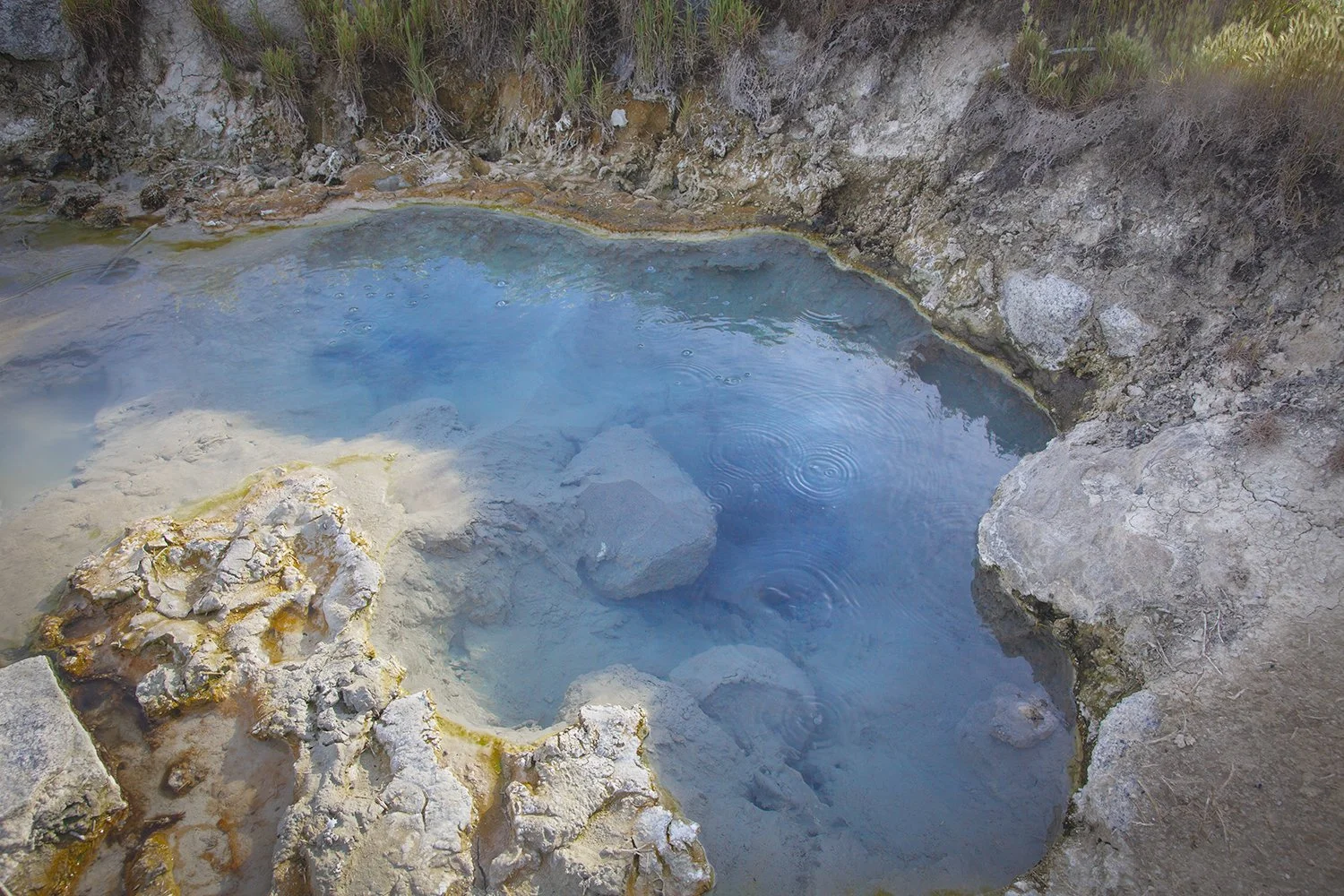
A hot spring at the side of railroad tracks meant workers could bathe after working to make the tracks that cross this part of the Black Rock Desert.
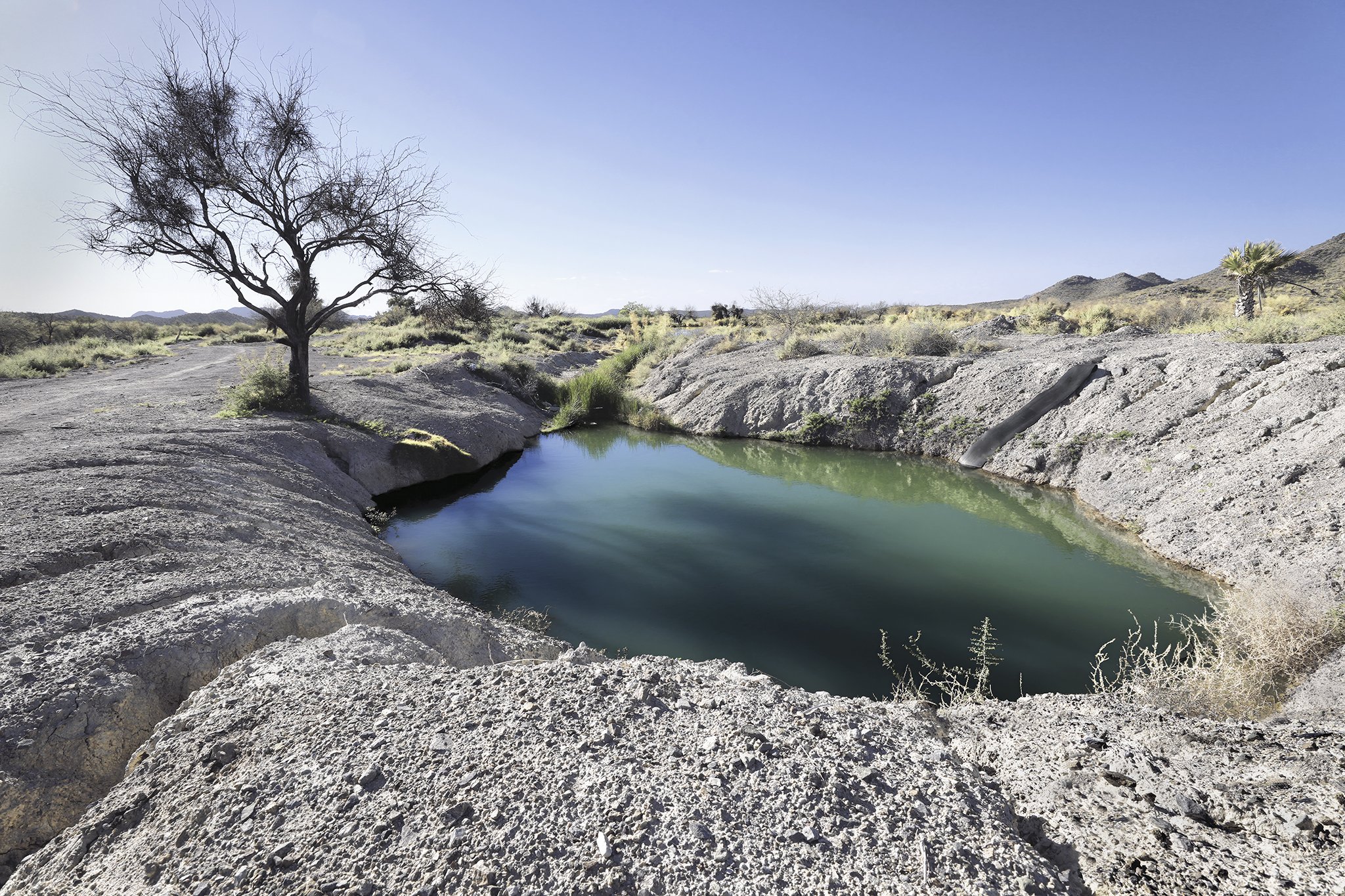
Heavily altered pool at sacred spring site on the O’odham tribe’s Salt Pilgrimage Trail.
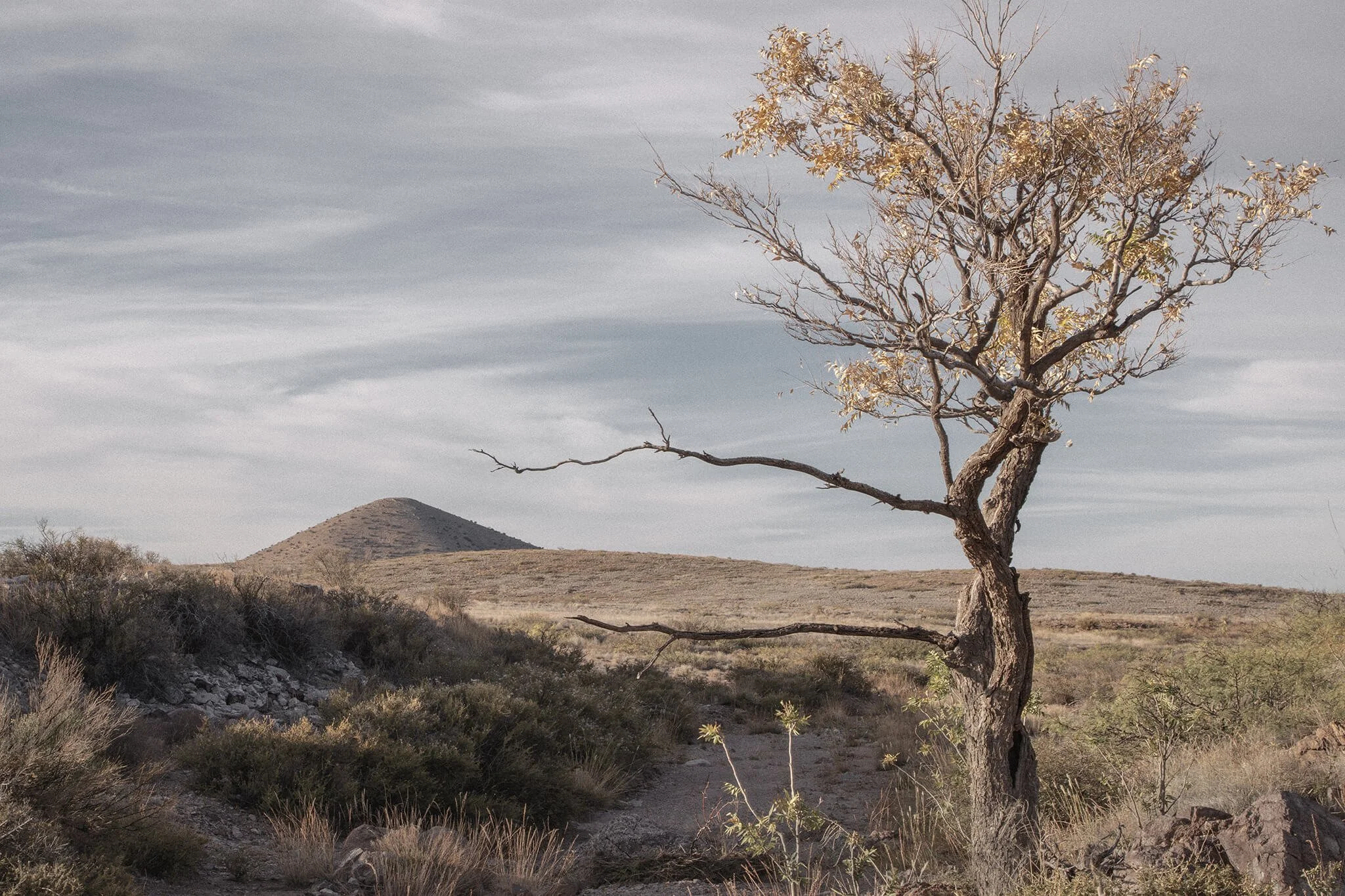
Part of the Burro Ciénaga, archaeological evidence shows was use by Archaic, Mimbres culture, and Athabaskan peoples before becoming a seasonal home, trading hub, and hunting ground for the Apache.
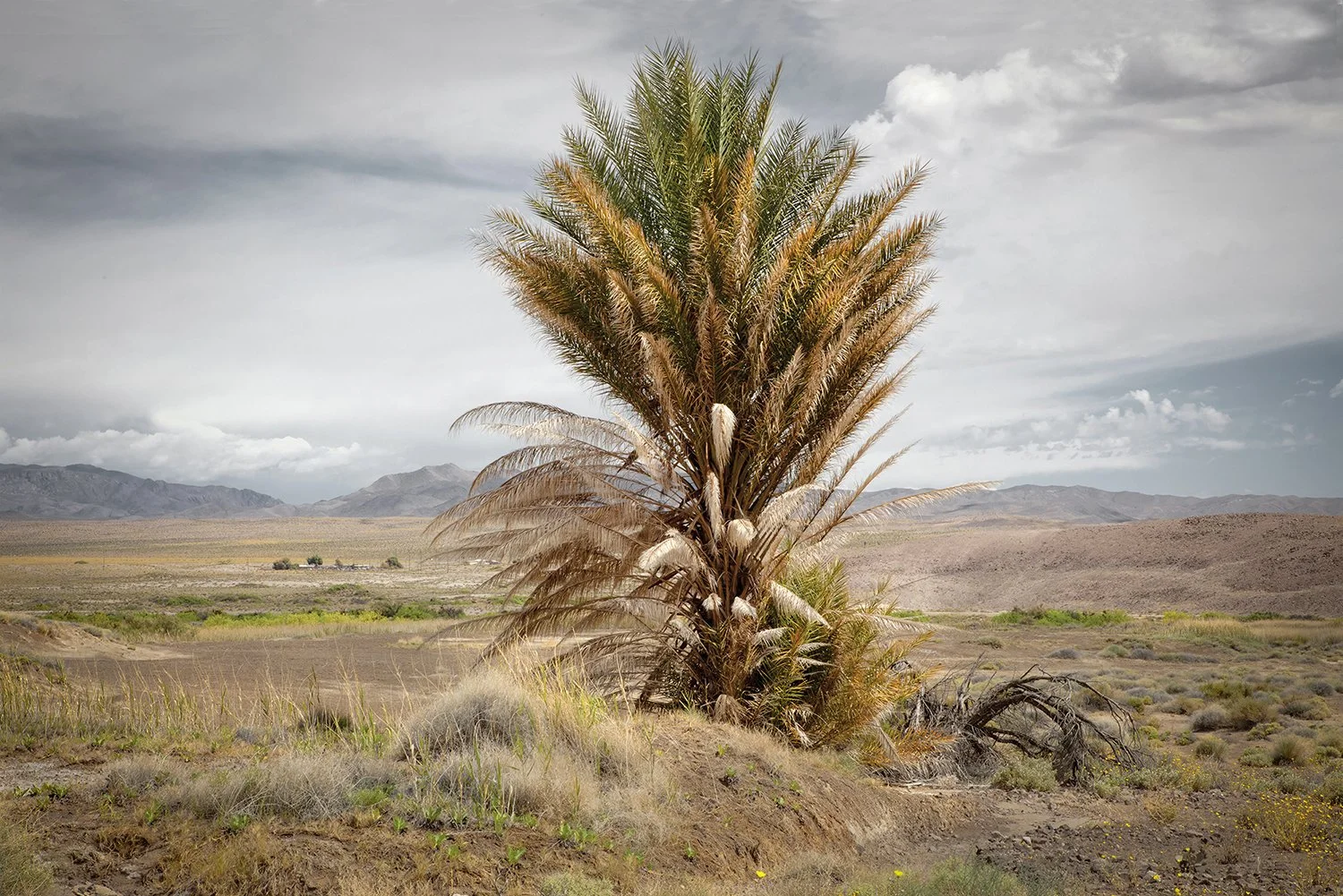
Indigenous peoples carried palm seeds to new sites to cultivate reliable sources of water as they traveled. Palm trees in the became a beacon of certain water for prospectors and early explorers as they walked across the desert.
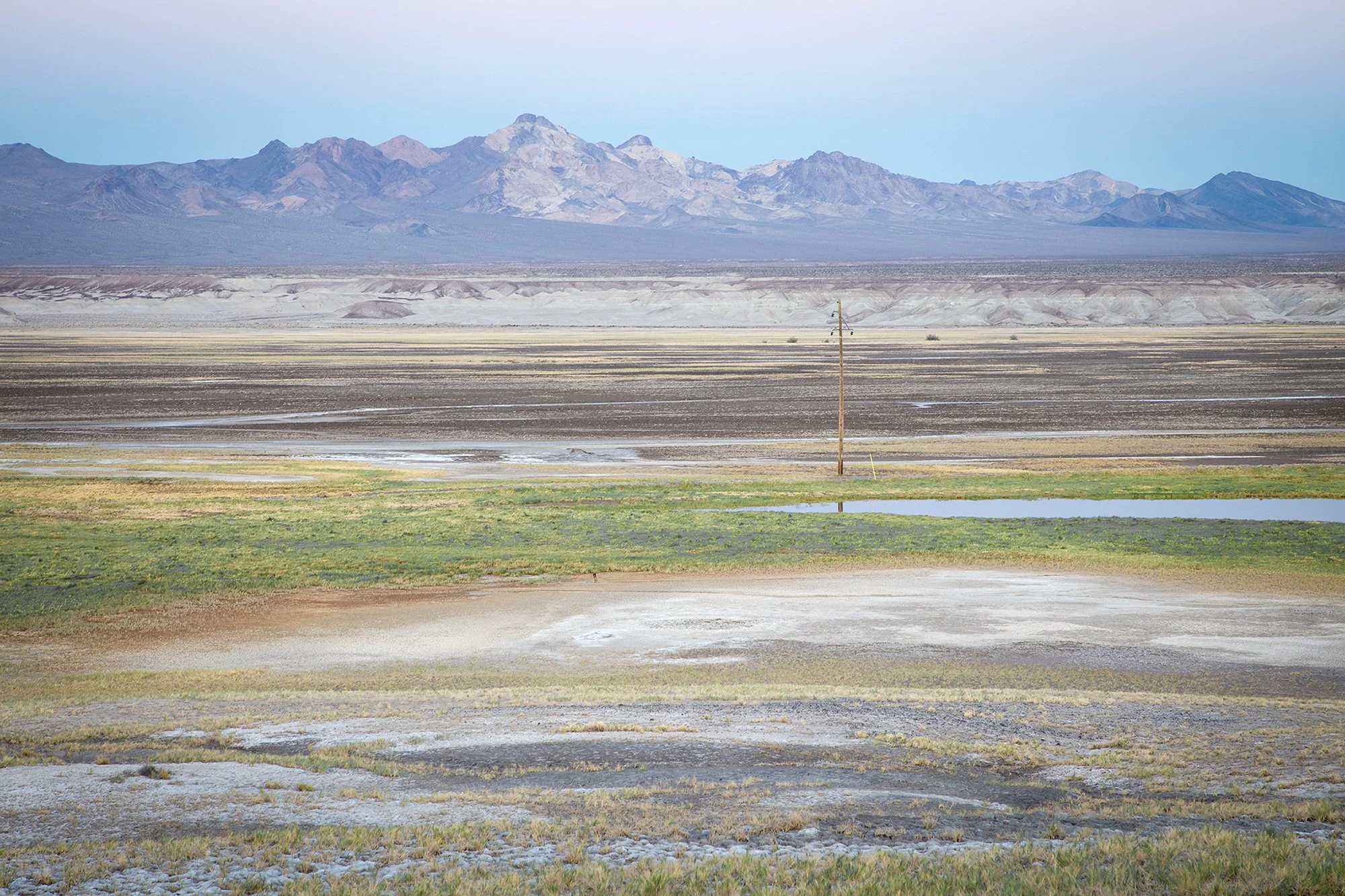
The site of the designated Wild and Scenic Amargosa River. It is mostly underground is the only ‘flowing’ river in the Death valley Region.
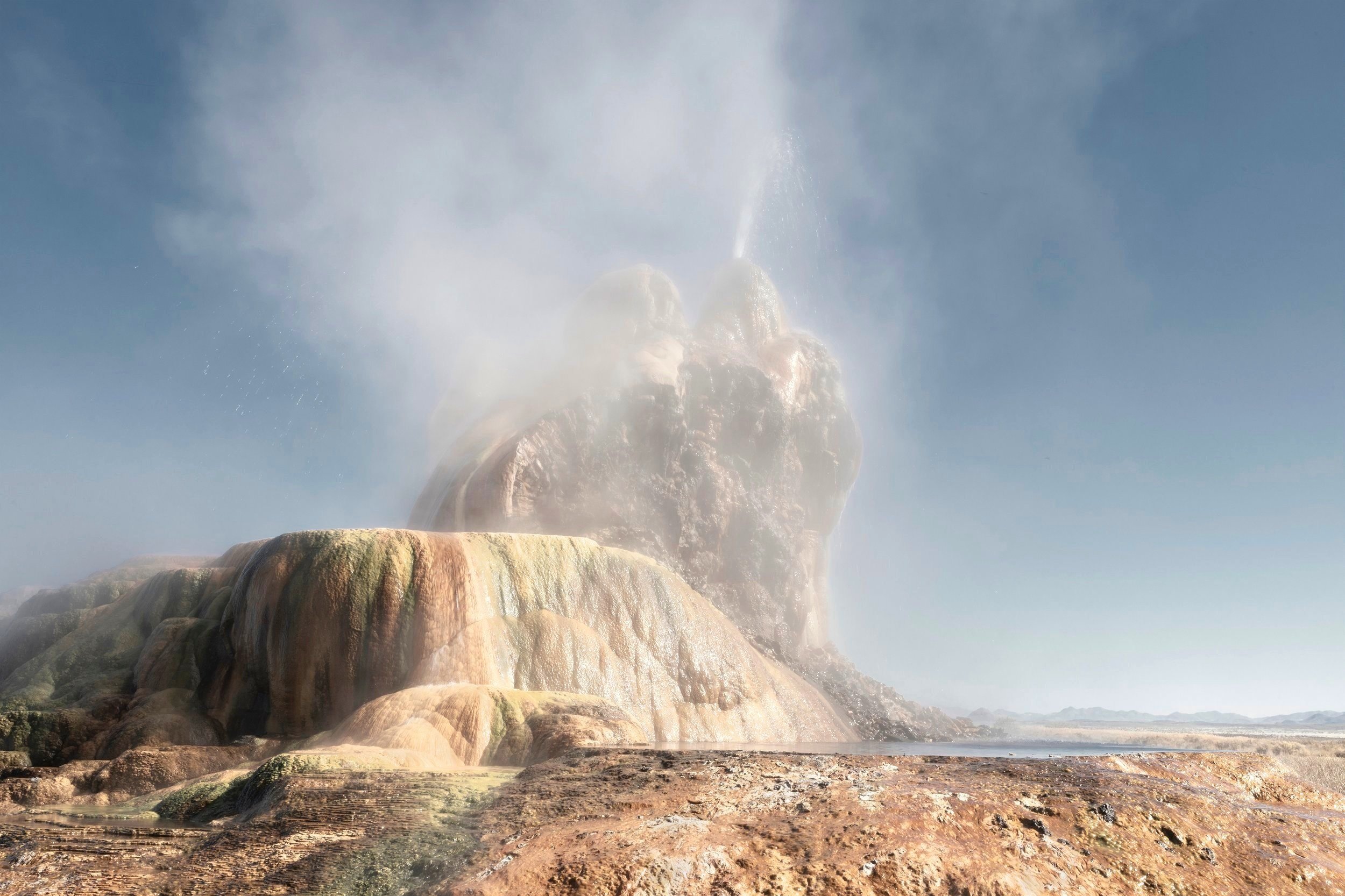
Man-made geyser while drilling for water will flow until the aquifer is exhausted.
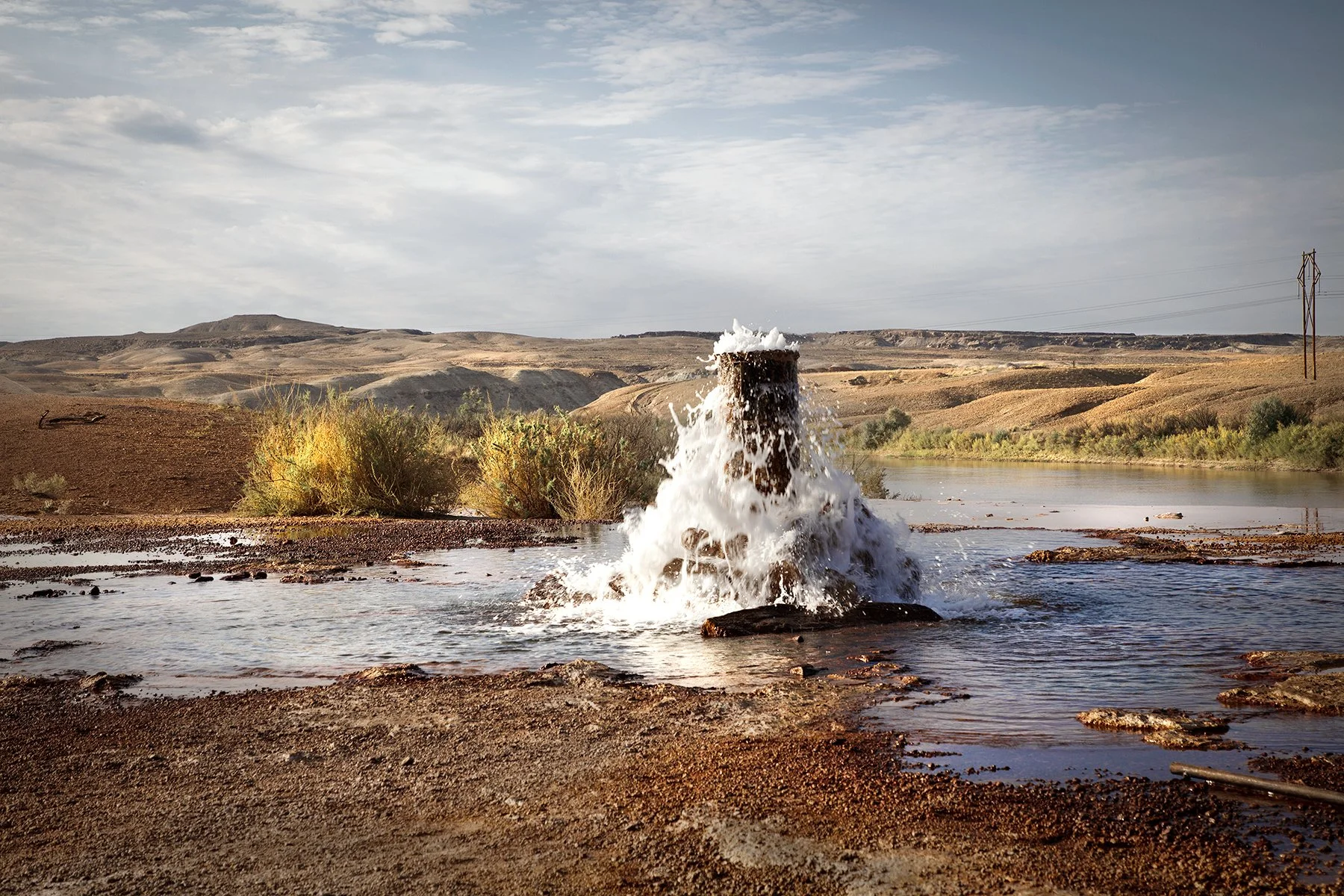
In 1935 while drilling for oil they hit a pocket of CO2 (carbon dioxide) which pushed the underground water up into the air. It reliably gushed at certain heights and times of each day until rocks were tossed into the pipe .
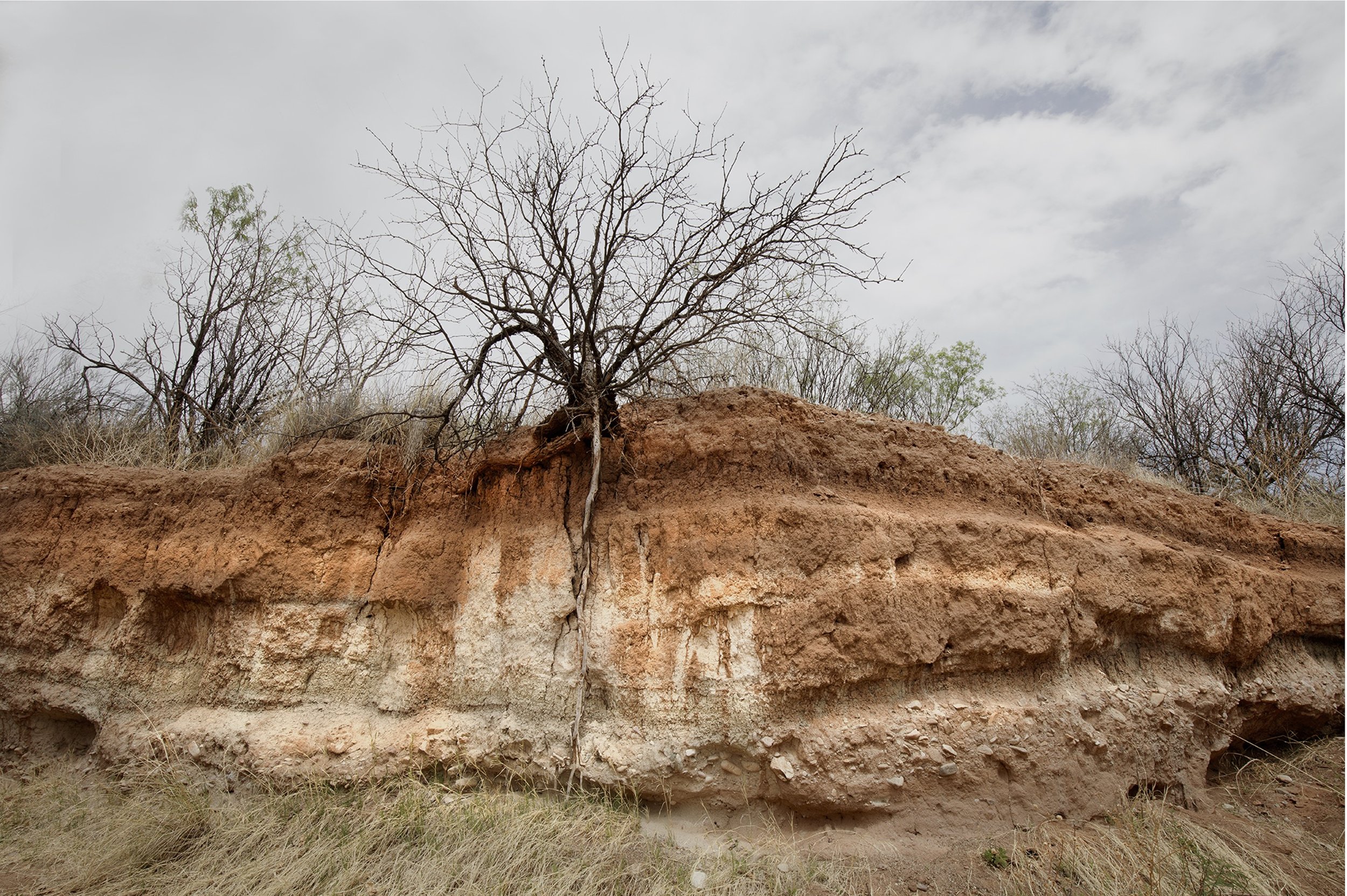
This site was a Clovis hunting camp with multiple megafauna kill sites that were perfectly preserved.This wall shows srtains of where water once was in ancient times.

Water mining at anthropogenically dredged spring.
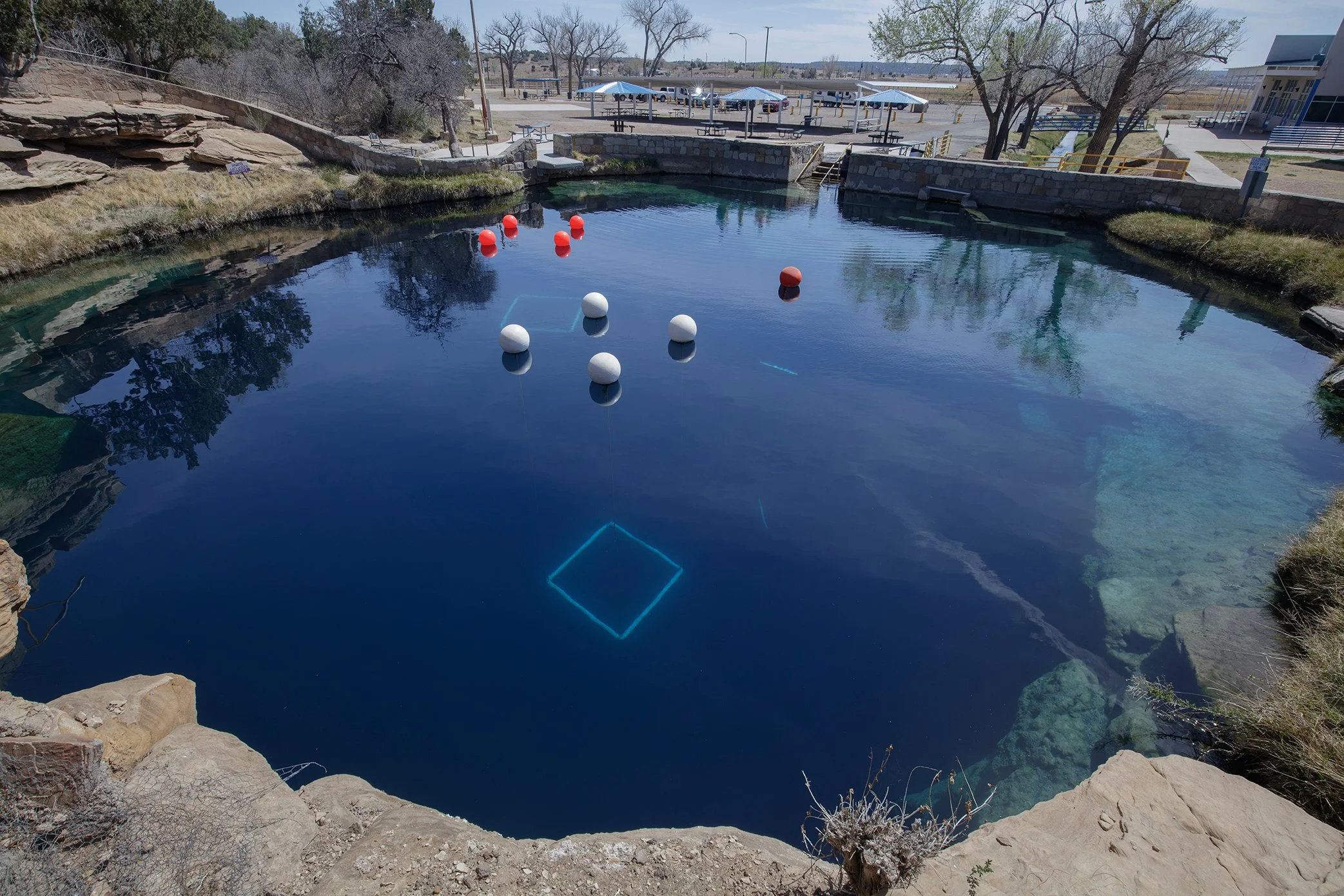
80 feet wide and 113 feet deep this bell shaped artesian spring pool is popular with divers who enjoy scuba diving in the desert. Being at a high altitude divers need to decompress similar to going ocean diving.
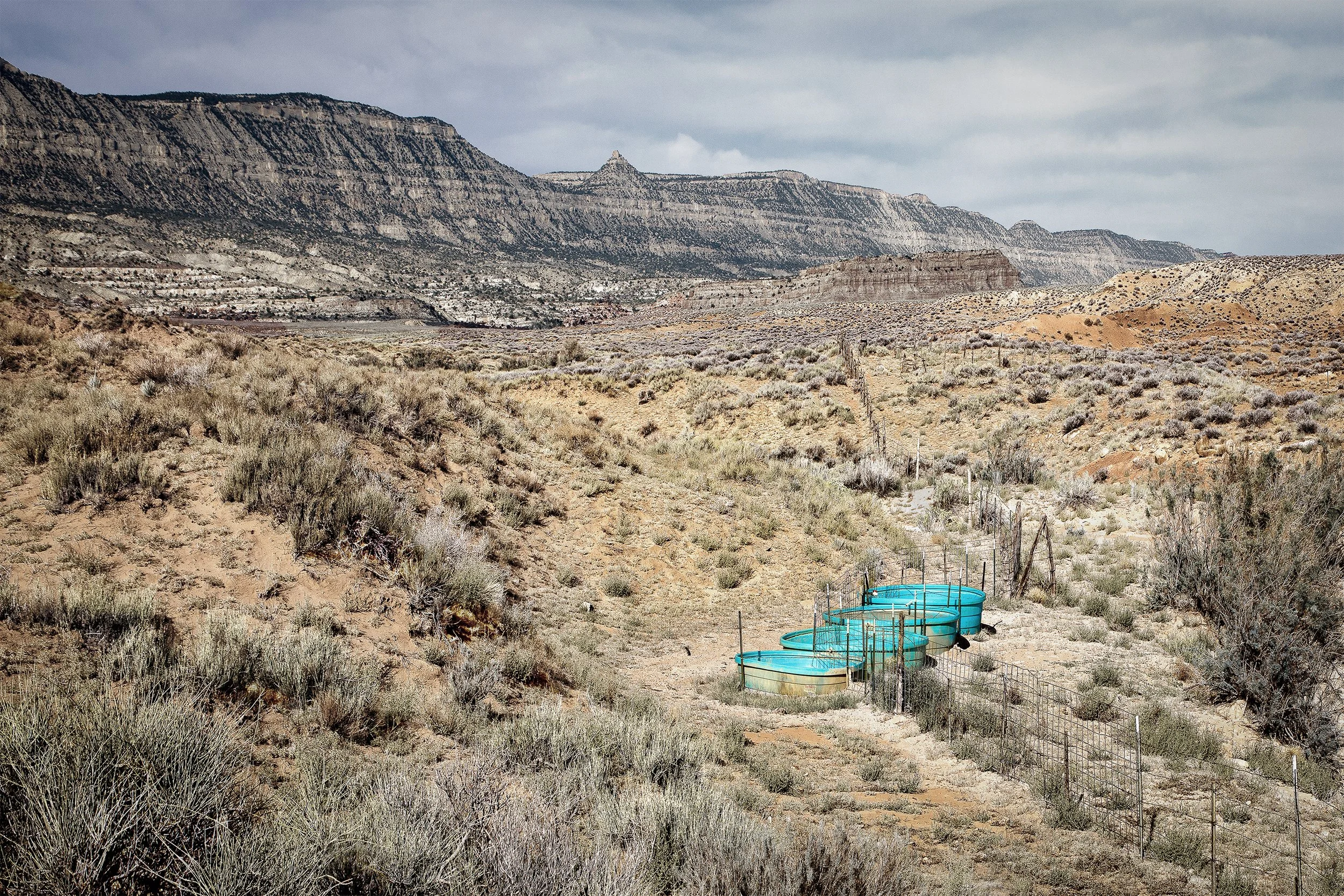
Now empty turquiose tubs once held diverted spring water for livestock, (cattle), watering.
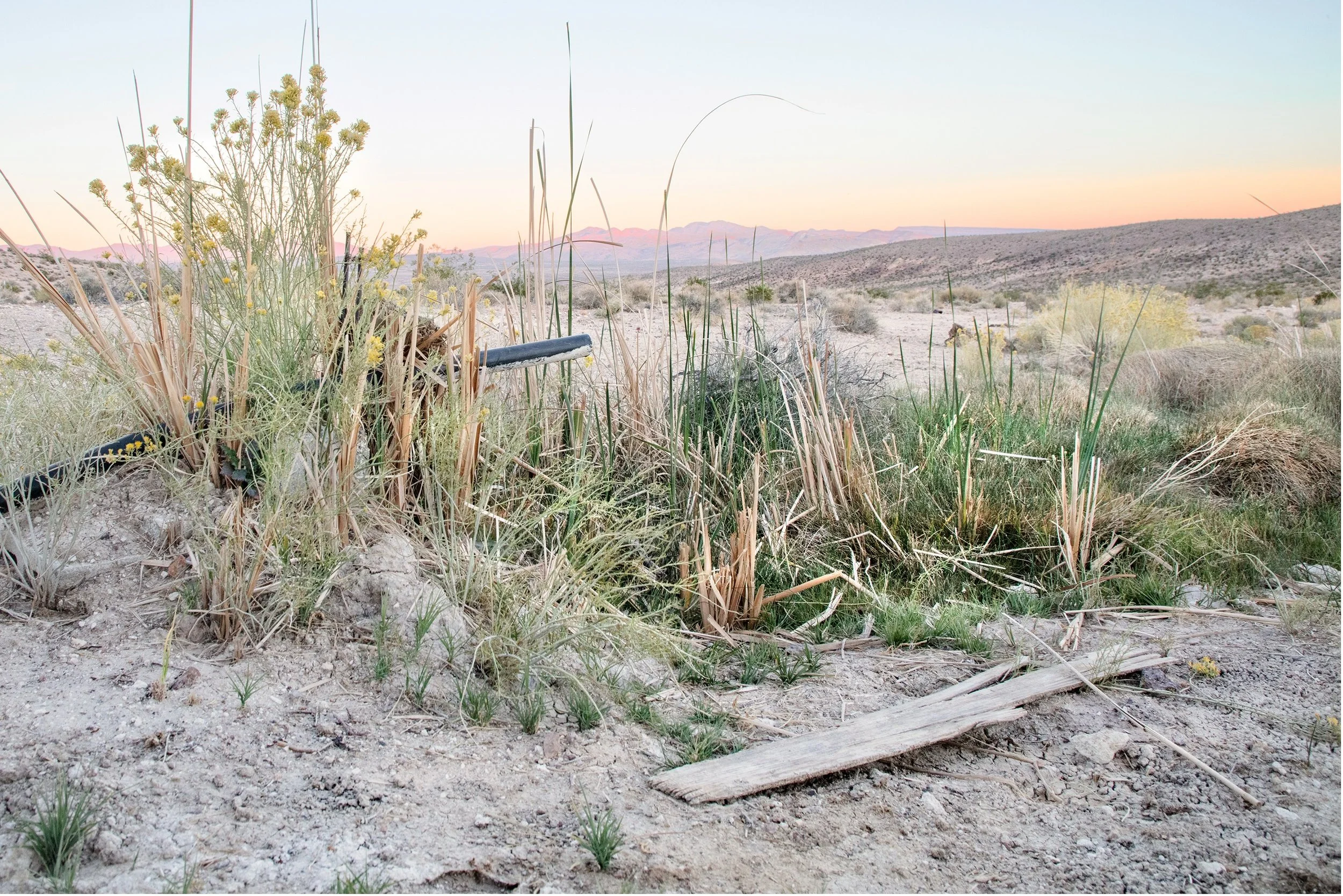
When water is syphoned off for livestock watering tanks springs end up mostly dewatered.
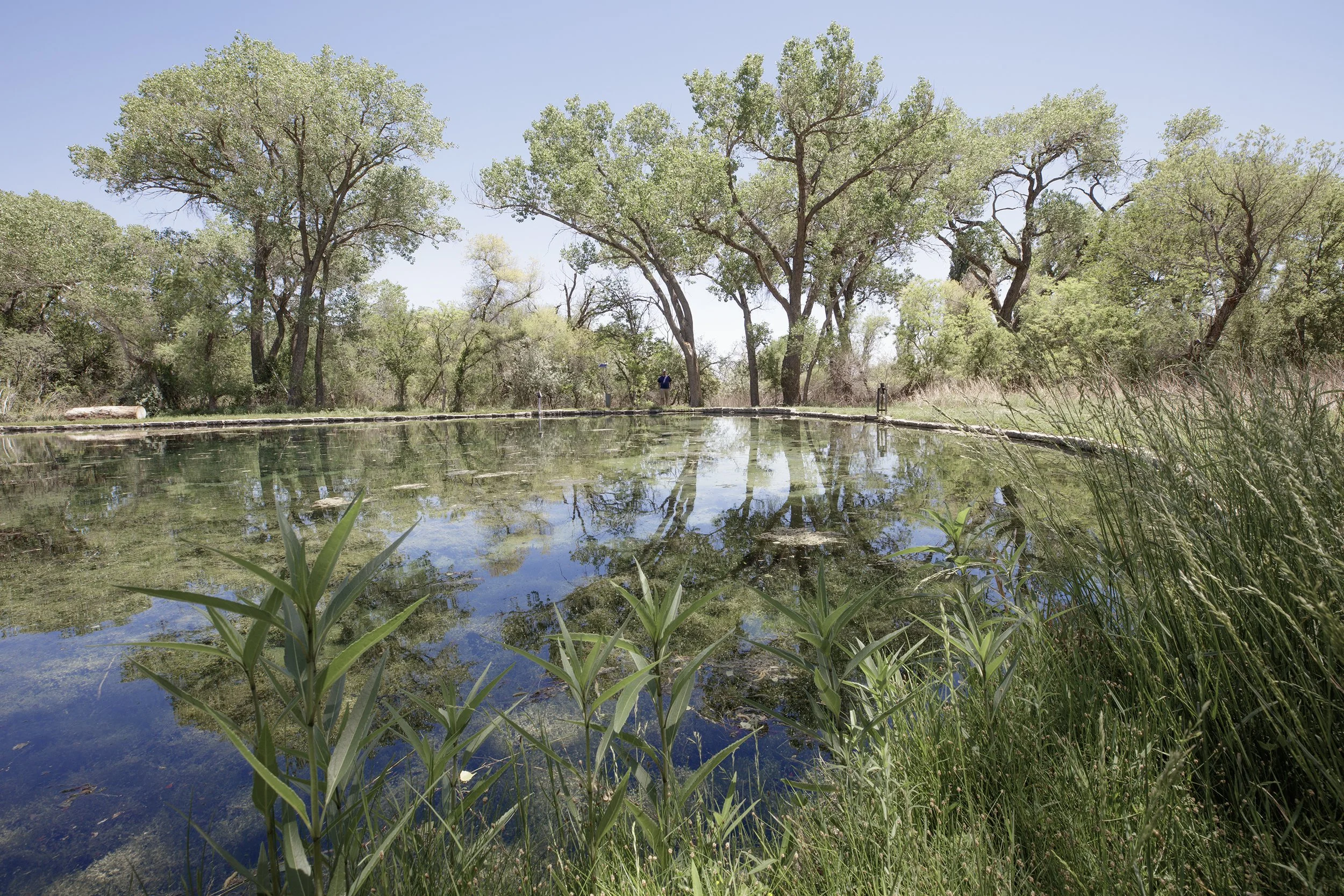
Used for over 1,000 years by pre-historic indigenous peoples, this desert oasis - anthropogenically altered multiple times since the late 1800’s - is a wild life ‘hot spot’ with over 330 birds recoded as well as elk, deer and wild turkeys.
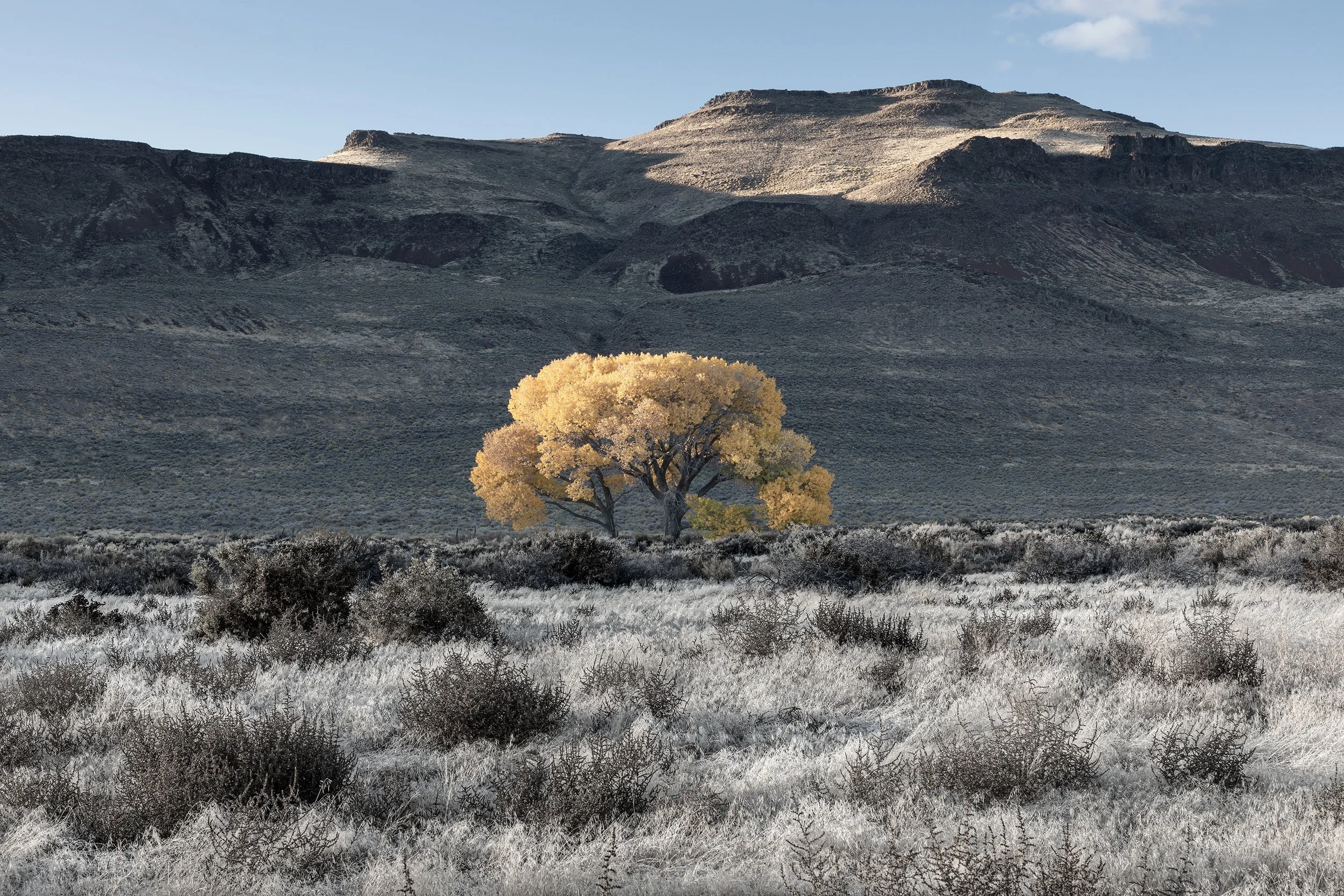
A vital oasis water wagon train stop on the Nobles Emigrant Trail found on maps as early as 1857.
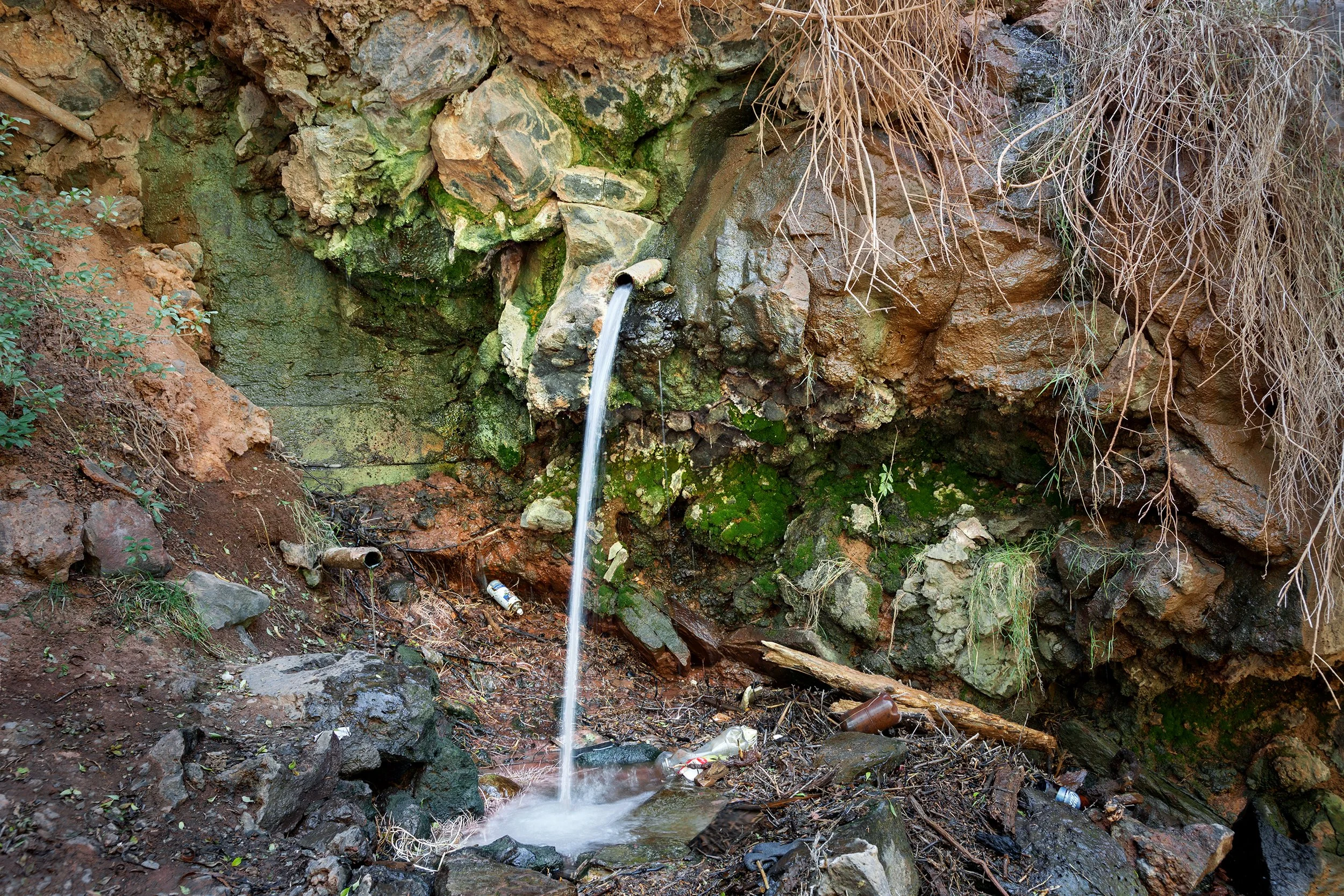
Surrounded by million year old rock with petroglyphs in near by canon walls today serves as a water collection and a recreational site.